Refresh a Bedroom Without Replacing Everything
Plan a focused bedroom refresh through existing bedding, useful lighting and one well-chosen change instead of a complete shopping list.
Our guidance is based on published information and household scenarios, rather than hands-on product testing. Some links may earn a commission when an affiliate relationship applies. Read our disclosure.

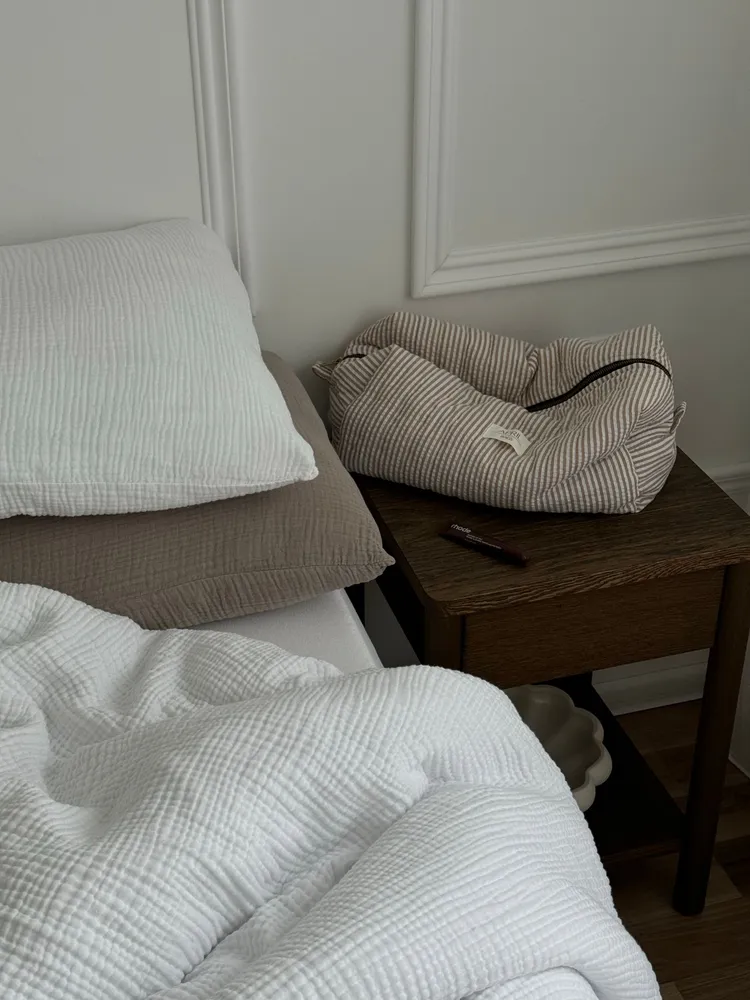
Lifestyle photography by Mathilde Langevin / Pexels. The photograph illustrates a home setting; it does not identify a reviewed product.
A bedroom can feel tired when the furniture is perfectly serviceable. Faded pillowcases, an awkward lamp and a chair hidden under clothes may do more to shape the room than the bed frame. Before replacing everything, decide which everyday detail bothers you most. A focused refresh can make the room easier to use while avoiding a collection of new objects that compete for attention.
In this guide
Separate visual fatigue from functional failure
Walk around the room during daylight and again in the evening. Look at what feels inconvenient as well as what looks worn. A lamp that occupies the whole nightstand is a different problem from a duvet cover you no longer enjoy. Write down the two most noticeable issues and identify which one affects the room every day.
Clear loose items before judging the furniture. The room may feel calmer when laundry and packaging return to their proper places. Take a simple photo after that reset; it can show whether the room needs a textile update, improved light or genuinely different furniture. Avoid choosing a whole new palette before seeing what the existing pieces contribute.
Work with the colors already present
Use the larger fixed elements as the starting point: flooring, walls and the bed frame. Choose one textile color that works with those surfaces rather than treating every bedding item as an independent decision. A pillowcase or duvet cover can establish the new direction without requiring replacement of every blanket.
View fabric samples or clear product images alongside the room's existing pieces. Screen color is only an approximation, and light changes how a material appears. If matching precisely matters, check the seller's description and return conditions. Similar tones can work together, so do not create extra purchases merely because two useful pieces are not an exact set.
Choose a change with a daily benefit
If the bed is comfortable but difficult to make, a simpler top layer may be a better refresh than a decorative pillow collection. If you read each night, a useful lamp can affect the room more directly than a new vase. Match the purchase to what you do in the bedroom most often.
Keep the chosen object's dimensions in view while shopping. A beautiful nightstand that narrows the route to the closet may introduce a new inconvenience. When updating a textile, check care instructions as carefully as color. A room should feel easier to maintain after the refresh, not dependent on a more complicated weekly routine.
Finish the small change before planning the next
Set up the new piece, remove packaging and put the replaced item in its next destination. Then live with the revised room before extending the shopping list. Small changes can alter what you think the room needs, particularly when a new lamp changes how the existing colors appear in the evening.
A refresh is complete when the original problem is resolved, even if the room does not resemble a coordinated store display. Leave some surfaces empty and keep the everyday essentials accessible. Saving part of the budget gives you the option to address a real need later rather than filling space today with accessories chosen only to finish a photograph.
Write a one-item shopping brief
Describe the purchase in a sentence before opening a catalog: a washable cover for the current insert, a compact lamp with an accessible switch or a fitted sheet that accommodates the topper. Include your dimensions and the feature you need. This brief keeps attractive but unrelated products from expanding a small refresh into a much larger project.
Compare two or three candidates against the same brief, including the delivered cost and any required accessories. Keep an existing piece if it still serves its purpose; coordination alone is not a reason to replace it. When the new item is in place, pause the buying list and assess the room again. A considered change has more value when it solves the original annoyance and leaves both floor space and budget for future needs.
Compare your options
| Option | Best fit | Tradeoff |
|---|---|---|
| Fresh pillowcases or duvet cover | Updating worn textiles on a comfortable bed | Needs compatible sizes and care |
| Better bedside lighting | Improving evening use | Electrical and bulb compatibility matter |
| Rearrangement before shopping | A room with usable but awkwardly placed pieces | Requires time to assess the layout |
Where to browse
Use these retailer collections to compare dimensions, materials, care instructions and current prices. These are ordinary retailer links unless an active affiliate arrangement is disclosed. We do not control availability, shipping or returns.
Questions before you buy
Do all bedroom textiles need to match?
No. A repeated color or related texture can connect useful pieces. Exact matching matters less than whether the combination works with the room and is easy to care for.
How do I set a sensible refresh budget?
Choose the main issue first and price only the items needed to solve it. Include any required bulbs, hardware or care costs before deciding whether another decorative purchase fits.
Sources & further reading
Sources checked October 8, 2026. Practical suggestions reflect editorial judgment; always follow the instructions supplied with your own product.