Set Up a Kitchen Sink Cleanup Station That Dries Properly
Choose a sink organizer by drainage, brush fit and counter space so everyday dishwashing tools have a practical place to dry.
Our guidance is based on published information and household scenarios, rather than hands-on product testing. Some links may earn a commission when an affiliate relationship applies. Read our disclosure.

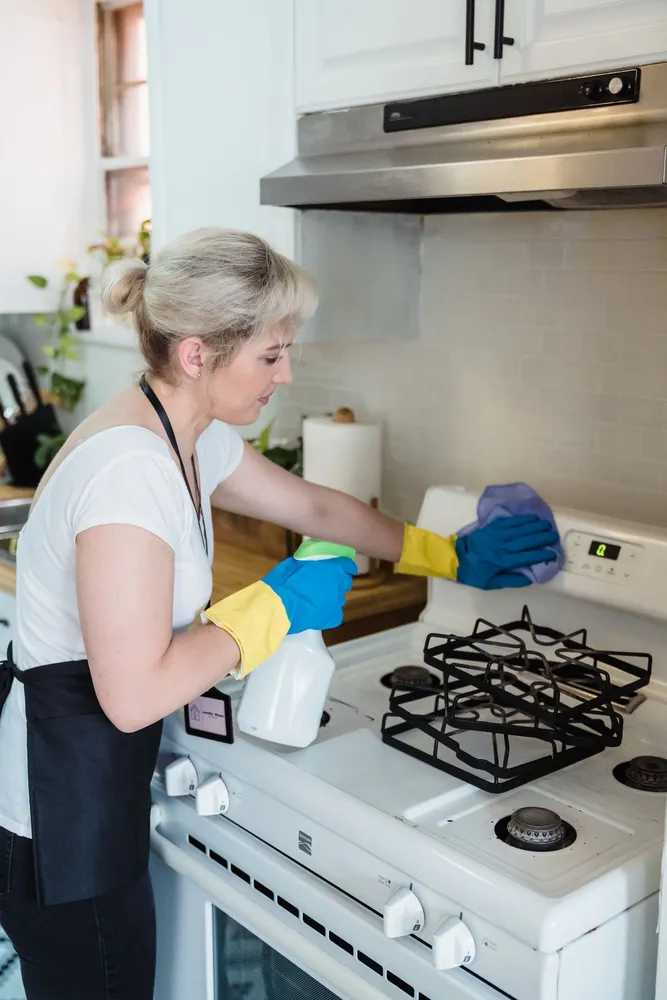
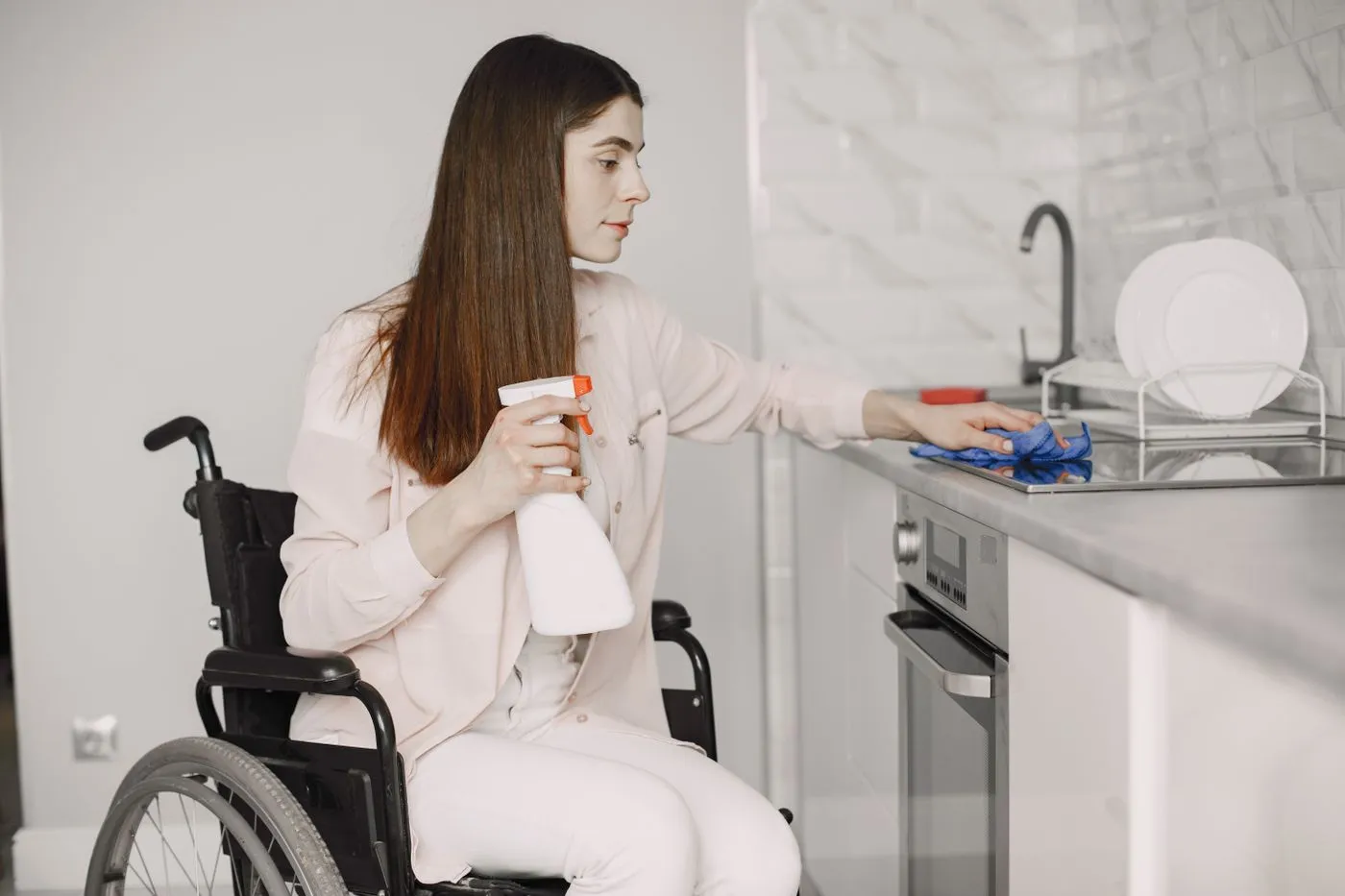
Lifestyle photography by Vitaly Gariev / Pexels. The photograph illustrates a home setting; it does not identify a reviewed product.
A sink can be empty while the area around it remains crowded with dripping tools. The dish brush rolls into the basin, the cloth stays damp in a heap and a sponge leaves a wet mark beside the soap bottle. A small station can improve this daily scene when it supports drainage and easy cleaning. Think of it as part of finishing the dishes, rather than a display for every spare cleaning accessory.
In this guide
Separate useful storage from wet storage
After dinner, a sponge balanced on the tap and a brush lying in the sink can make a clean counter feel unfinished. The answer is not necessarily a larger organizer. First identify what stays wet and what can live elsewhere. Dish soap may need a convenient place near the sink, while spare sponges belong in dry storage. Keep the station small enough to leave room for washing a pan. A collection of backups at the water’s edge creates crowding without improving the daily task.
Choose drainage you can actually maintain
An organizer with drainage holes still needs somewhere for that water to go. A removable tray can protect the counter, but it must be emptied and cleaned. A holder positioned over the sink may drain directly, yet its suction or mounting system needs to suit the surface and remain stable. Inspect how the parts separate. Hidden channels and narrow seams can be inconvenient to reach. Favor a design whose wet areas you can see and clean without needing a special brush just for the organizer.
Measure brushes as well as the station
Long handled dish brushes may lean awkwardly in a low container, while broad heads can sit against one another and dry poorly. Measure the items you already like using. A divided holder may keep a bottle from falling against a brush, but too many narrow compartments can make cleaning harder. Check whether the organizer’s feet or backing are appropriate for your counter finish. If the counter is limited, try placing your existing tools in the proposed footprint for a day before purchasing a permanent storage piece.
Give cloths their own drying route
A damp cloth needs space to dry between suitable washing cycles, rather than being stuffed into the sponge compartment. A rail can be useful if it allows the cloth to spread and does not obstruct the faucet or cabinet. Check the mounting method and clearance before ordering. Assign separate textiles for wiping kitchen surfaces and other household cleaning. Replace or wash a tool when its condition calls for it. A drying station supports care but does not make a heavily soiled sponge or cloth indefinitely suitable for continued use.
Finish the dishes by cleaning the station
Once the sink is clear, remove trapped crumbs, rinse the holder as directed and empty its drip tray. Check the patch of counter beneath it rather than cleaning around the same base indefinitely. This final minute belongs to the dish routine because it prevents the organizer from becoming a separate weekend project. If cleanup is consistently awkward, simplify the station. A basic brush cup that is easy to maintain may suit your kitchen better than a more elaborate rack with several parts that no one wants to dismantle.
Before you place an order
Compare organizers by the number of useful spaces they provide rather than the total number of compartments. A bottle compartment that is too narrow for your existing dish soap adds little value. Check internal dimensions, removable parts and how the drip tray slides out when the unit stands near the wall. If suction or adhesive mounting is involved, read the surface and preparation requirements. For freestanding designs, inspect the base and counter compatibility. Avoid adding new bottles to make the station look complete. Buy around the brushes and cloths you already use, leaving spare products in dry storage and enough open counter space for everyday kitchen work.
- Visible drainage and a removable tray
- Holder height suited to actual brush handles
- A counter footprint that leaves working space
- Parts that separate without difficult crevices
Try it during an ordinary week
After a week, lift the holder and examine the counter beneath it. If water remains there, review tray emptying, positioning and the design’s intended drainage rather than adding another cloth to conceal the puddle. Place the most frequently used brush where it can be returned without displacing the bottle. Move spare tools into suitable dry storage. If a rail helps the cloth spread, use it consistently and wash the textile according to its care instructions. Keep the arrangement small enough that filling a large pot at the tap still feels easy. The sink must remain a working area first.
Compare your options
| Option | Best fit | Tradeoff |
|---|---|---|
| Freestanding caddy | Flexible sink placement | Uses counter space |
| Sink mounted holder | A very small counter | Mount must suit the surface |
| Simple brush cup | One brush and a minimal setup | Drainage needs attention |
Where to browse
Use these retailer collections to compare dimensions, materials, care instructions and current prices. These are ordinary retailer links unless an active affiliate arrangement is disclosed. We do not control availability, shipping or returns.
Questions before you buy
Should the drip tray stay filled with water?
Empty and clean it as part of the sink routine. Standing water defeats the purpose of keeping the surrounding area dry.
How often should I replace a sponge?
Follow product guidance and replace a tool when it becomes unsuitable, damaged or persistently soiled. Storage cannot substitute for proper care.
Sources & further reading
Sources checked October 8, 2026. Practical suggestions reflect editorial judgment; always follow the instructions supplied with your own product.