Toy Baskets for a Living Room That Adults Use Too
Practical choices for larger mixed pieces returned quickly, with fit checks, everyday tradeoffs, and a buying plan that puts useful features first.
Our guidance is based on published information and household scenarios, rather than hands-on product testing. Some links may earn a commission when an affiliate relationship applies. Read our disclosure.

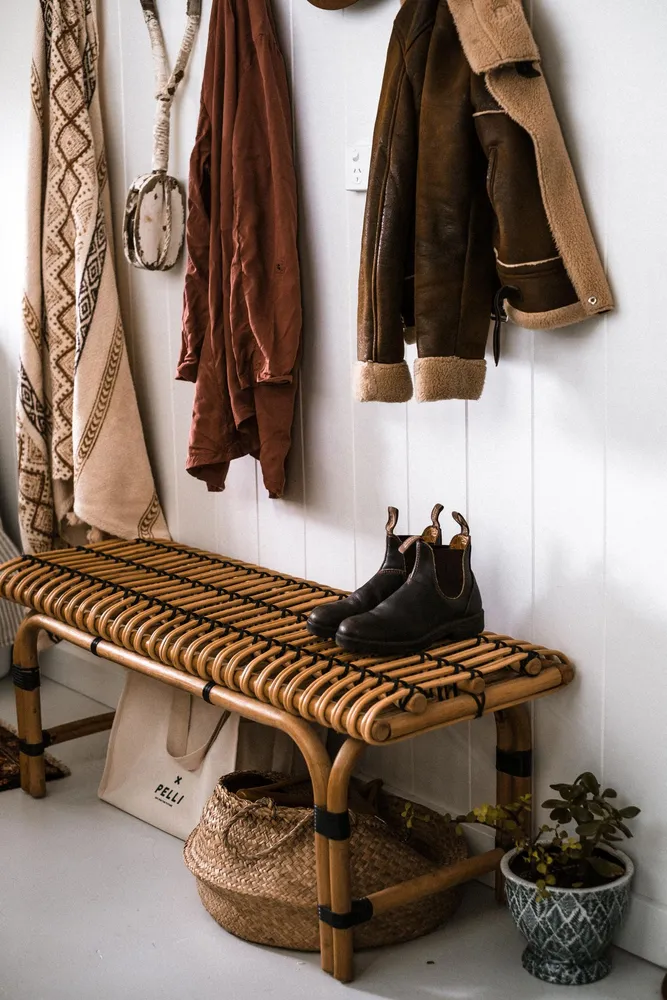
Lifestyle photography by FOX / Pexels. The photograph illustrates a home setting; it does not identify a reviewed product.
Picture blocks and pretend-play pieces spread across the floor just before the room becomes an evening sitting area. A useful setup starts with building blocks, soft toys, picture books, and a few current favorites, rather than a shopping list built around somebody else’s room. This guide looks at the purchase through the daily task it needs to support.
For larger mixed pieces returned quickly, prioritize a reachable container that is easy to carry empty. Before committing to shallow shelf tray, check whether its advantage for small sets with visible contents matters in your household. The choices here are planning recommendations based on the use case and published official shopping categories; we have not performed hands-on tests of a specific model.
In this guide
Start with the everyday problem
Begin by taking a practical inventory: watch which toys are used in this room and move less-used collections back to their main storage area. Then create broad return categories that a child can recognize without an adult sorting every tiny piece. The scope is building blocks, soft toys, picture books, and a few current favorites, so exclude unrelated objects before calculating the capacity you need.
A shared living room does not need to hold the entire toy collection. Choose the toys used during ordinary time in this room and give other collections a separate home. This makes cleanup a manageable return task rather than a daily attempt to fit everything into decorative furniture. For children, categories should be recognizable from the objects themselves. Blocks and soft toys can be more useful labels than the adult categories suggested by a matching organizer set.
Measure the fit that matters
The important fit checks are basket opening width, loaded weight, and the distance between the play area and storage shelf. Compare the manufacturer’s exact dimensions with those measurements, including the movement needed to retrieve, open, carry, or clean the chosen item. For wide open bin, access is as important as the space it occupies.
Check access from the child’s normal position as well as the adult viewpoint. A basket that looks tidy on a tall shelf can require help for every play session. Evaluate its empty weight and the likely loaded weight, and supervise use as appropriate. Inspect openings, edges, and closures for the intended age and use. Keep storage furniture installed according to its safety instructions, including any required anchoring, rather than judging stability by appearance alone.
Choose a format around the task
The first format, wide open bin, suits larger mixed pieces returned quickly; its tradeoff is that open bins reveal some visual clutter. The alternative, shallow shelf tray, suits small sets with visible contents, while shallow trays have limited capacity. Material priorities for this situation are light smooth containers without sharp edges, with open tops for everyday collections that need frequent access.
A broad open bin suits a collection returned in handfuls. A shallow tray makes a small set easier to see but holds less. Deep containers are tempting because they conceal more; they also encourage dumping the entire contents during a search. If a set has important small pieces, consider a separate suitable container kept where those pieces can be used safely. The aim is to preserve a playable collection, not simply to hide it.
Spend on the useful feature
Direct the budget toward a reachable container that is easy to carry empty. Put a decorative lidded trunk that becomes an obstacle during every cleanup lower on the list, because it is not the first obstacle in this scenario. The purchase to avoid is several deep baskets that turn every toy search into emptying the entire collection. A small targeted improvement is easier to evaluate than changing the entire setup simultaneously.
Choose a container around one realistic cleanup movement. Can blocks go straight from the play area into their home? Does a lid have to be balanced somewhere while the room is busy? Soft handles may help adults carry an empty basket, but the construction still needs to suit the load. Decorative storage is most useful when it serves the same task as the practical option. Avoid paying extra for a visual feature that complicates every return.
Keep the system useful after the first week
Build upkeep into the routine: check for broken pieces during tidy-up and wash or wipe containers according to their instructions. When the arrangement gets crowded, return to its intended contents: building blocks, soft toys, picture books, and a few current favorites. Confirm that everything still has a sensible home and that the next person can use wide open bin without dismantling the rest of the space.
An evening reset can be brief when the categories stay broad. Return picture books to their visible section and check loose pieces for breakage before putting them away. If toys repeatedly accumulate beside a basket, move the basket closer to the actual play area or reduce the category inside it. Leave a sensible place for an ongoing creation if the household wants to keep it, so the storage plan does not depend on dismantling every project immediately.
Compare your options
| Option | Best fit | Tradeoff |
|---|---|---|
| Wide open bin | larger mixed pieces returned quickly | Open bins reveal some visual clutter |
| Shallow shelf tray | small sets with visible contents | Shallow trays have limited capacity |
Where to browse
Use these retailer collections to compare dimensions, materials, care instructions and current prices. These are ordinary retailer links unless an active affiliate arrangement is disclosed. We do not control availability, shipping or returns.
Questions before you buy
How many categories are enough?
Start with a few recognizable groups rather than a detailed inventory. Split a category only when the volume or retrieval problem makes the extra container useful.
What is the main reason to choose wide open bin here?
Its clearest use is larger mixed pieces returned quickly. The alternative can be useful for small sets with visible contents, so weigh that specific routine against the tradeoff: shallow trays have limited capacity. Before ordering, check basket opening width, loaded weight, and the distance between the play area and storage shelf on the exact listing rather than relying on category photographs.
Sources & further reading
- Official retailer storage categories, consulted for format options
- Official retailer organizer categories, consulted for alternatives
Sources checked October 8, 2026. Practical suggestions reflect editorial judgment; always follow the instructions supplied with your own product.