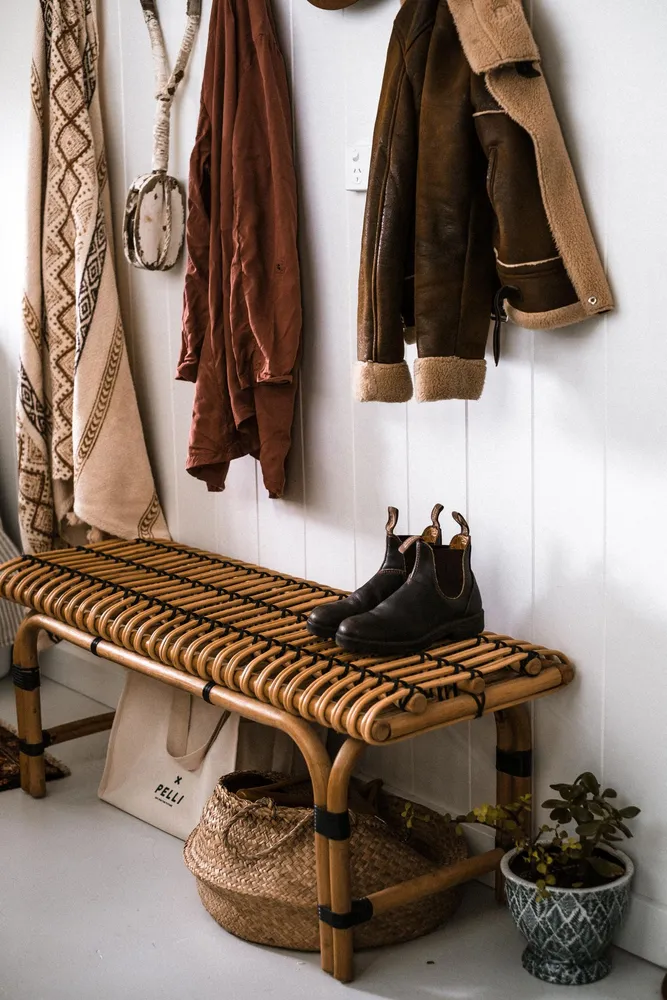
A Rental Closet Reset That Starts With the Clothes You Wear
Practical choices for light folded clothes beside a rail, with fit checks, everyday tradeoffs, and a buying plan that puts useful features first.
Our guidance is based on published information and household scenarios, rather than hands-on product testing. Some links may earn a commission when an affiliate relationship applies. Read our disclosure.
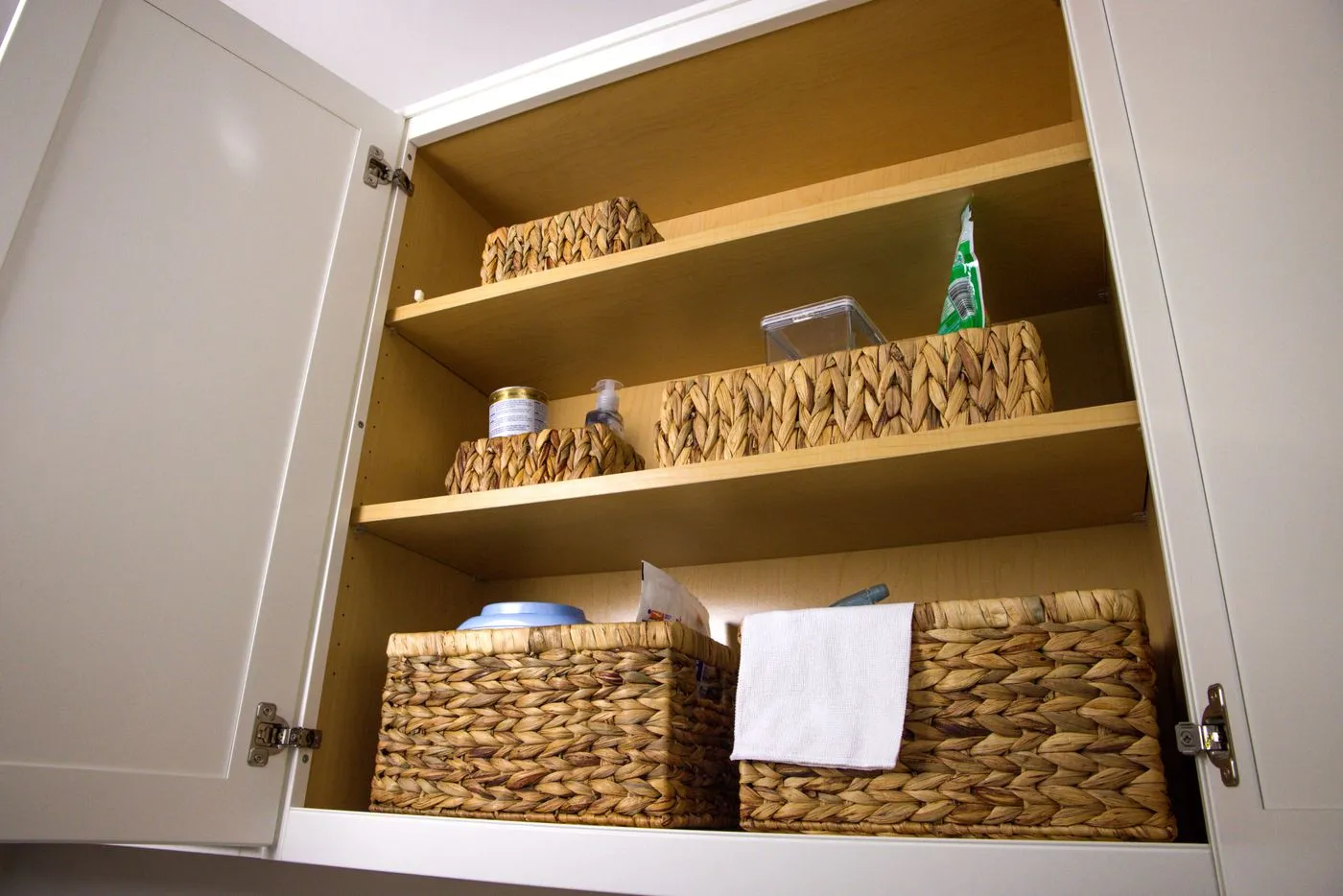
Lifestyle photography by American Cleaning Institute / Pexels. The photograph illustrates a home setting; it does not identify a reviewed product.
Picture a small rental wardrobe has one high shelf and a single hanging rail but no useful home for knitwear. A useful setup starts with work shirts, folded sweaters, shoes, and the outfit pieces used together, rather than a shopping list built around somebody else’s room. This guide looks at the purchase through the daily task it needs to support.
For light folded clothes beside a rail, prioritize a small amount of shelving that serves a missing function. Before committing to freestanding shelf unit, check whether its advantage for firm storage where floor space exists matters in your household. The choices here are planning recommendations based on the use case and published official shopping categories; we have not performed hands-on tests of a specific model.
In this guide
Start with the everyday problem
Begin by taking a practical inventory: count clothing by storage method and check lease restrictions before adding any mounted accessory. Then keep frequently worn clothes together and use freestanding or hanging compartments for categories without shelves. The scope is work shirts, folded sweaters, shoes, and the outfit pieces used together, so exclude unrelated objects before calculating the capacity you need.
A rental wardrobe often supplies one rail without considering the mix of garments people own. Knitwear, workout clothes, and shoes need different homes from hanging shirts. Before adding hardware, identify the missing function. A small freestanding shelf may solve folded clothing more directly than a second row of hangers. Review the lease and product installation instructions before any mounting work. Temporary-looking hardware can still make marks or require permission in a rented space.
Measure the fit that matters
The important fit checks are rail clearance, hanger width, and the door opening when a hanging organizer is fully loaded. Compare the manufacturer’s exact dimensions with those measurements, including the movement needed to retrieve, open, carry, or clean the chosen item. For hanging fabric organizer, access is as important as the space it occupies.
Measure with the doors in the position they occupy while you get dressed. Sliding doors may expose only part of the interior, while hinged doors can interfere with a protruding unit. Account for long dresses or coats before putting a hanging organizer in their section. A compartment that ends above the floor can still block clothing from hanging freely. Mark the proposed footprint with removable paper so the tradeoff is visible before money is spent.
Choose a format around the task
The first format, hanging fabric organizer, suits light folded clothes beside a rail; its tradeoff is that it reduces available hanging width. The alternative, freestanding shelf unit, suits firm storage where floor space exists, while it occupies floor space and must fit the doorway. Material priorities for this situation are structured fabric compartments for lighter folded pieces and freestanding shelves for objects that need a firm base.
Hanging fabric shelves are convenient for lighter folded categories when the rail and the organizer are suitable for the intended load. A rigid shelf unit supplies a firmer surface but occupies floor area that might currently hold shoes. Neither option should be packed beyond its manufacturer guidance. Choose the arrangement that gives the most important category an accessible home. It is often better to improve one weak part of the closet than to replace every existing hanger.
Spend on the useful feature
Direct the budget toward a small amount of shelving that serves a missing function. Put special hangers for every item before the wardrobe has been edited lower on the list, because it is not the first obstacle in this scenario. The purchase to avoid is a hanging organizer placed where it consumes the only space long garments can occupy. A small targeted improvement is easier to evaluate than changing the entire setup simultaneously.
Start with a small number of compartments. If the laundry routine produces several folded stacks at once, think about where those stacks will land instead of assuming they can be divided evenly. Separate work clothes from occasional outfits when it helps morning decisions. Spending on a shelf with useful clearances makes more sense than buying novelty hangers for garments that are comfortable on the ones you own. A consistent visual finish can be added later if desired.
Keep the system useful after the first week
Build upkeep into the routine: refold collapsed piles and remove empty hangers from crowded areas after laundry day. When the arrangement gets crowded, return to its intended contents: work shirts, folded sweaters, shoes, and the outfit pieces used together. Confirm that everything still has a sensible home and that the next person can use hanging fabric organizer without dismantling the rest of the space.
After laundry day, notice which categories refuse to stay in their assigned places. An overflowing sweater compartment may reflect excess inventory, but it can also mean its opening is awkward or its structure sags. Move one category at a time while evaluating the cause. Keep the floor route clear enough to retrieve shoes without moving a pile of clothing. When leaving the rental, follow removal instructions and check the space rather than assuming all temporary accessories detach cleanly.
Compare your options
| Option | Best fit | Tradeoff |
|---|---|---|
| Hanging fabric organizer | light folded clothes beside a rail | It reduces available hanging width |
| Freestanding shelf unit | firm storage where floor space exists | It occupies floor space and must fit the doorway |
Where to browse
Use these retailer collections to compare dimensions, materials, care instructions and current prices. These are ordinary retailer links unless an active affiliate arrangement is disclosed. We do not control availability, shipping or returns.
Questions before you buy
Are adhesive hooks a safe shortcut?
Only use them where the surface and load meet the product instructions and the lease permits them. Do not assume that removable means every painted wall will be unaffected.
What is the main reason to choose hanging fabric organizer here?
Its clearest use is light folded clothes beside a rail. The alternative can be useful for firm storage where floor space exists, so weigh that specific routine against the tradeoff: it occupies floor space and must fit the doorway. Before ordering, check rail clearance, hanger width, and the door opening when a hanging organizer is fully loaded on the exact listing rather than relying on category photographs.
Sources & further reading
- Official retailer storage categories, consulted for format options
- Official retailer organizer categories, consulted for alternatives
Sources checked October 8, 2026. Practical suggestions reflect editorial judgment; always follow the instructions supplied with your own product.