Shoe Storage for an Entryway That Also Has to Be a Hallway
Practical choices for daily pairs and quick exits, with fit checks, everyday tradeoffs, and a buying plan that puts useful features first.
Our guidance is based on published information and household scenarios, rather than hands-on product testing. Some links may earn a commission when an affiliate relationship applies. Read our disclosure.
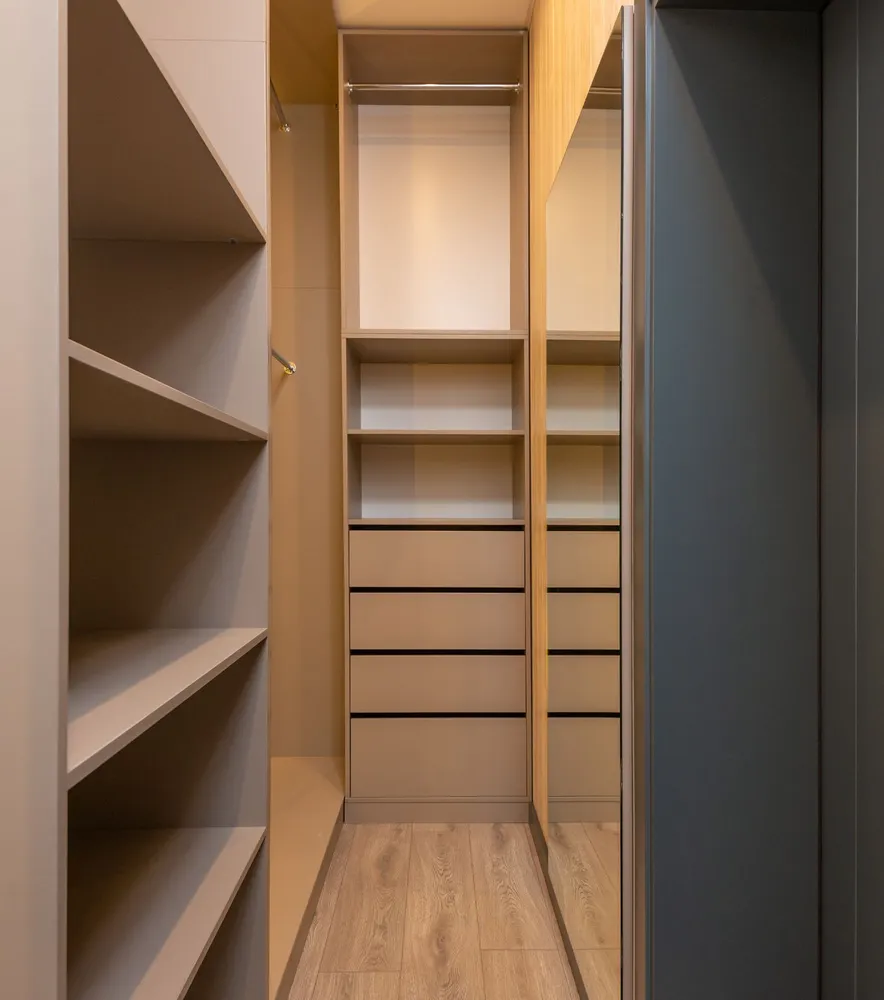
Lifestyle photography by Max Vakhtbovych / Pexels. The photograph illustrates a home setting; it does not identify a reviewed product.
Picture a weekday evening when shoes, grocery bags, and a wet umbrella arrive through the same narrow doorway. A useful setup starts with daily sneakers, taller boots, guest shoes, and the bag you carry to work, rather than a shopping list built around somebody else’s room. This guide looks at the purchase through the daily task it needs to support.
For daily pairs and quick exits, prioritize a stable rack with usable shelf spacing. Before committing to closed shoe cabinet, check whether its advantage for a tidier visual finish in a wider hall matters in your household. The choices here are planning recommendations based on the use case and published official shopping categories; we have not performed hands-on tests of a specific model.
In this guide
Start with the everyday problem
Begin by taking a practical inventory: draw the swing of the front door on paper and measure the remaining clear walking route. Then give each household member one easy-to-reach parking place and move occasional footwear to a separate closet. The scope is daily sneakers, taller boots, guest shoes, and the bag you carry to work, so exclude unrelated objects before calculating the capacity you need.
A narrow hallway has to accommodate bodies before it accommodates belongings. Stand inside the door with a grocery bag in each hand and look at the route into the house. A rack that requires you to shuffle sideways will keep causing annoyance, even if every shoe has a perfect home. Leave the immediate landing point uncomplicated. Putting the storage slightly farther along the wall may produce an easier arrival than filling the nearest available corner.
Measure the fit that matters
The important fit checks are the depth of your longest shoe, the height of boots, and space to lift footwear off the top shelf. Compare the manufacturer’s exact dimensions with those measurements, including the movement needed to retrieve, open, carry, or clean the chosen item. For open shoe rack, access is as important as the space it occupies.
Boots often expose the weakness in a tidy shoe display. A low fixed shelf can handle sneakers while leaving tall footwear nowhere to go. Draw a simple elevation showing the pairs you use during the current season. Consider a rack with different usable heights or reserve an adjacent tray for boots. Do not count the top of a cabinet as additional shoe storage if it is already the only convenient place to put your keys.
Choose a format around the task
The first format, open shoe rack, suits daily pairs and quick exits; its tradeoff is that visible footwear needs a weekly edit. The alternative, closed shoe cabinet, suits a tidier visual finish in a wider hall, while doors require additional opening room. Material priorities for this situation are an open rack for footwear that needs to dry, a washable tray beneath it, and a basket only for dry accessories.
Closed cabinets suit people who value a quiet-looking entrance, but opening the doors adds another movement in an already busy spot. Open shelves make daily retrieval straightforward and reveal when the collection is expanding. For either format, inspect how the unit stands against your wall and follow any anchoring instructions. A freestanding cabinet should not be treated as stable merely because it looks compact in a photograph or because the shoes inside seem lightweight.
Spend on the useful feature
Direct the budget toward a stable rack with usable shelf spacing. Put extra decorative cubbies that are too short for the shoes you actually wear lower on the list, because it is not the first obstacle in this scenario. The purchase to avoid is a tall pile of shoe boxes that must be unstacked every time someone leaves. A small targeted improvement is easier to evaluate than changing the entire setup simultaneously.
Spend first on the structure that accommodates the household’s usual pairs. A decorative basket may soften the appearance of a hallway, but it is a poor substitute for a clear footwear plan when everyone has to rummage through it. Keep dry gloves or spare tote bags in a basket if that is useful. If visitors are occasional, a temporary landing tray can be more sensible than permanently allocating a separate shelf to hypothetical guest shoes.
Keep the system useful after the first week
Build upkeep into the routine: wipe the tray after muddy weather and return out-of-season pairs to their longer-term home. When the arrangement gets crowded, return to its intended contents: daily sneakers, taller boots, guest shoes, and the bag you carry to work. Confirm that everything still has a sensible home and that the next person can use open shoe rack without dismantling the rest of the space.
The useful capacity is the number of shoes you can retrieve without disturbing their neighbors. When a new pair arrives, decide whether it replaces an existing daily pair or belongs in longer-term storage. Wet-weather cleanup is easier when the tray can be removed without dismantling the rack. Set aside a moment after muddy arrivals to restore the walking route, because a clear exit matters more than a perfectly styled arrangement of matching footwear.
Compare your options
| Option | Best fit | Tradeoff |
|---|---|---|
| Open shoe rack | daily pairs and quick exits | Visible footwear needs a weekly edit |
| Closed shoe cabinet | a tidier visual finish in a wider hall | Doors require additional opening room |
Where to browse
Use these retailer collections to compare dimensions, materials, care instructions and current prices. These are ordinary retailer links unless an active affiliate arrangement is disclosed. We do not control availability, shipping or returns.
Questions before you buy
Can a bench replace a shoe rack?
A bench can work when its storage fits your footwear and its dimensions preserve the walking route. Check the stated load rating before treating storage furniture as seating.
What is the main reason to choose open shoe rack here?
Its clearest use is daily pairs and quick exits. The alternative can be useful for a tidier visual finish in a wider hall, so weigh that specific routine against the tradeoff: doors require additional opening room. Before ordering, check the depth of your longest shoe, the height of boots, and space to lift footwear off the top shelf on the exact listing rather than relying on category photographs.
Sources & further reading
- Official retailer storage categories, consulted for format options
- Official retailer organizer categories, consulted for alternatives
Sources checked October 8, 2026. Practical suggestions reflect editorial judgment; always follow the instructions supplied with your own product.