Hobby Storage for the Dining Table Crafter
Practical choices for frequent table-to-shelf movement, with fit checks, everyday tradeoffs, and a buying plan that puts useful features first.
Our guidance is based on published information and household scenarios, rather than hands-on product testing. Some links may earn a commission when an affiliate relationship applies. Read our disclosure.

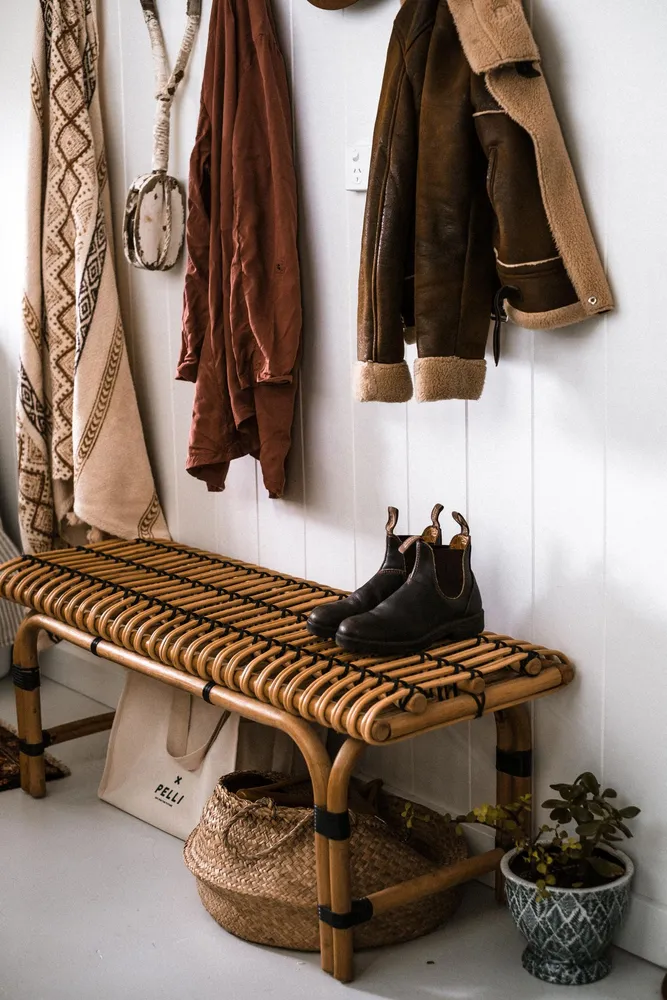
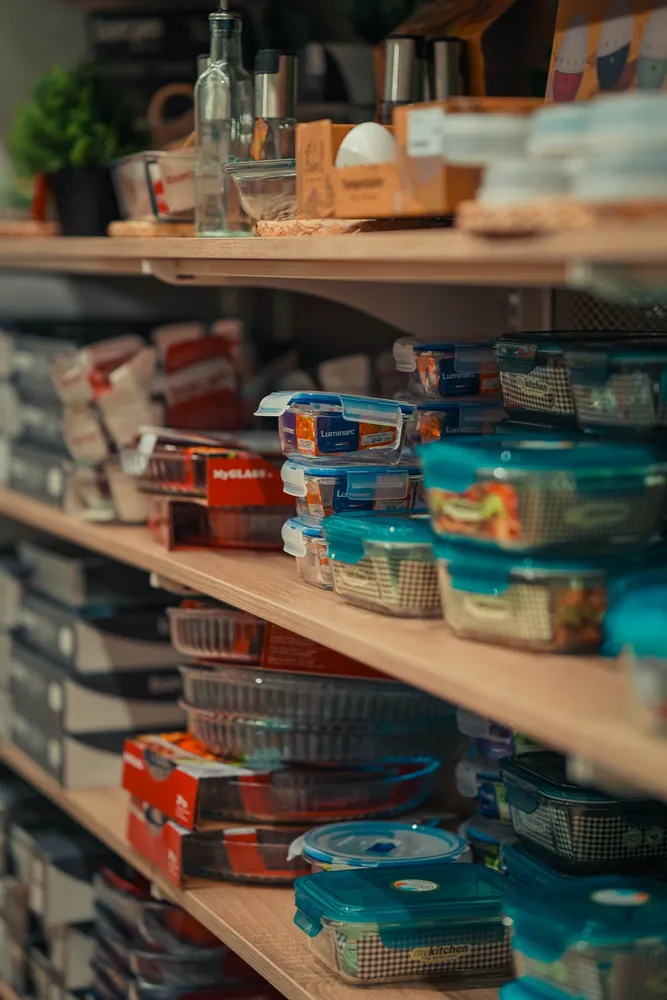
Lifestyle photography by Rachel Claire / Pexels. The photograph illustrates a home setting; it does not identify a reviewed product.
Picture a sewing or drawing project has to disappear from the dining table before dinner without losing its place. A useful setup starts with current project materials, cutting tools, pens, and the small supplies used most often, rather than a shopping list built around somebody else’s room. This guide looks at the purchase through the daily task it needs to support.
For frequent table-to-shelf movement, prioritize one portable container that moves without spilling. Before committing to lidded project box, check whether its advantage for projects needing loose pieces contained matters in your household. The choices here are planning recommendations based on the use case and published official shopping categories; we have not performed hands-on tests of a specific model.
In this guide
Start with the everyday problem
Begin by taking a practical inventory: separate the active project from the wider collection and identify sharp or child-sensitive tools needing controlled storage. Then keep a portable current-project kit and store reserve materials by type somewhere else. The scope is current project materials, cutting tools, pens, and the small supplies used most often, so exclude unrelated objects before calculating the capacity you need.
The dining table crafter needs to preserve progress as well as store supplies. Distinguish the current project from the full material collection. A small kit containing the next few steps makes setup quicker and limits the amount that has to move before dinner. Place reserve materials elsewhere in a system that suits their condition and handling needs. Sharp tools and other sensitive items need storage appropriate to the household, even when the active project is otherwise harmless.
Measure the fit that matters
The important fit checks are tray height under nearby shelves, carrying-handle clearance, and the length of tools that must lie flat. Compare the manufacturer’s exact dimensions with those measurements, including the movement needed to retrieve, open, carry, or clean the chosen item. For carry caddy, access is as important as the space it occupies.
Measure the shelf or cupboard where the project will wait between sessions. Include protruding handles and any tool that needs to lie flat. The container must travel through the route from table to storage without catching a chair or spilling around a corner. If the project itself cannot be folded or stacked, plan a separate suitable resting surface. A supply organizer does not automatically provide safe storage for unfinished work with wet paint, pins, or delicate parts.
Choose a format around the task
The first format, carry caddy, suits frequent table-to-shelf movement; its tradeoff is that open compartments can spill when tilted. The alternative, lidded project box, suits projects needing loose pieces contained, while opening and closing adds a step. Material priorities for this situation are a divided carry caddy for ordinary supplies and an appropriate closed container for items that require restricted access.
A caddy keeps ordinary tools visible and accessible during a short session. A lidded box contains loose components while being moved, but it needs a place for the lid during work. Rolling carts can work for larger ongoing hobbies when there is a clear parking spot. Their mobility is less valuable if they must live in the dining route. Choose the format around the actual transfer process rather than the amount of attractive equipment it could display.
Spend on the useful feature
Direct the budget toward one portable container that moves without spilling. Put a specialist rack for every supply before the hobby has a regular routine lower on the list, because it is not the first obstacle in this scenario. The purchase to avoid is a rolling cart so full that it becomes impossible to find the active work. A small targeted improvement is easier to evaluate than changing the entire setup simultaneously.
Allocate the first purchase to the recurring inconvenience. If tiny sewing notions keep spreading across the table, a small suitable compartment box may matter more than a cart. If pens and paper have to move together, a carry format may solve several setup steps at once. Avoid building a storage system for the imagined future scale of the hobby. Start with current tools and expand only when a new category genuinely needs its own place.
Keep the system useful after the first week
Build upkeep into the routine: return loose pieces to the project kit and keep a note of the next step before clearing the table. When the arrangement gets crowded, return to its intended contents: current project materials, cutting tools, pens, and the small supplies used most often. Confirm that everything still has a sensible home and that the next person can use carry caddy without dismantling the rest of the space.
Before clearing the table, write a brief note describing the next step and put it with the project. This protects continuity better than leaving every tool laid out indefinitely. Return supplies to their home as part of the same transition, while keeping anything needing special handling separate. If the kit starts becoming a catchall for all materials, edit it back to the active project. A small repeatable setup makes occasional creative time easier to use.
Compare your options
| Option | Best fit | Tradeoff |
|---|---|---|
| Carry caddy | frequent table-to-shelf movement | Open compartments can spill when tilted |
| Lidded project box | projects needing loose pieces contained | Opening and closing adds a step |
Where to browse
Use these retailer collections to compare dimensions, materials, care instructions and current prices. These are ordinary retailer links unless an active affiliate arrangement is disclosed. We do not control availability, shipping or returns.
Questions before you buy
Is a cart better than a project box?
A cart helps when it has a clear parking spot and moves on your flooring. A project box usually suits smaller occasional work and can be stored away from the dining space.
What is the main reason to choose carry caddy here?
Its clearest use is frequent table-to-shelf movement. The alternative can be useful for projects needing loose pieces contained, so weigh that specific routine against the tradeoff: opening and closing adds a step. Before ordering, check tray height under nearby shelves, carrying-handle clearance, and the length of tools that must lie flat on the exact listing rather than relying on category photographs.
Sources & further reading
- Official retailer storage categories, consulted for format options
- Official retailer organizer categories, consulted for alternatives
Sources checked October 8, 2026. Practical suggestions reflect editorial judgment; always follow the instructions supplied with your own product.