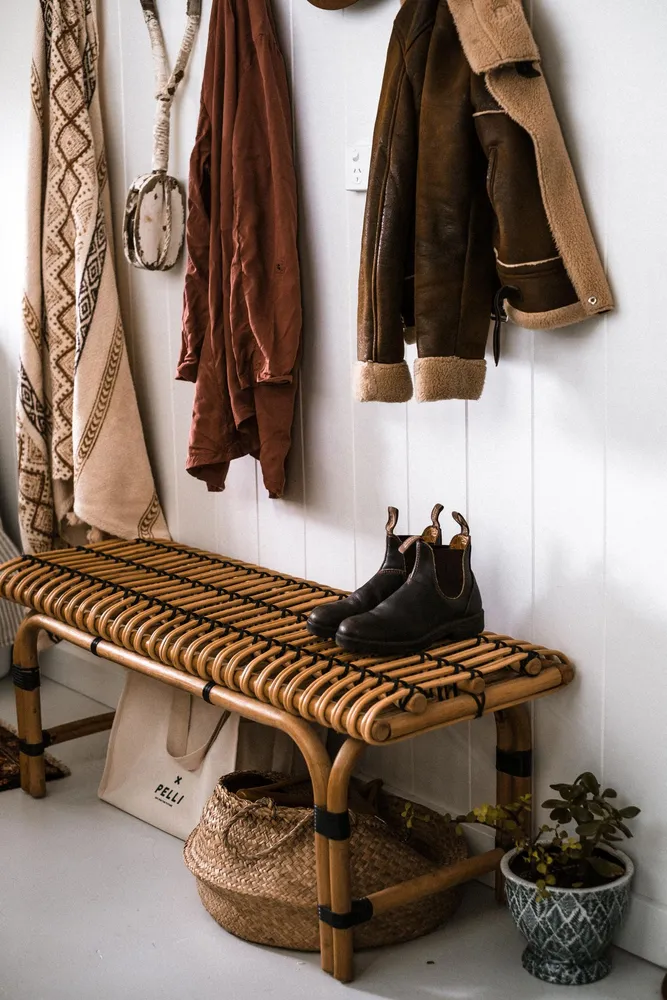
Under-Bed Storage for Seasonal Clothes Without the Awkward Wrestling
Practical choices for easy identification and repeated retrieval, with fit checks, everyday tradeoffs, and a buying plan that puts useful features first.
Our guidance is based on published information and household scenarios, rather than hands-on product testing. Some links may earn a commission when an affiliate relationship applies. Read our disclosure.
Lifestyle photography by Lauren Cuddy / Pexels. The photograph illustrates a home setting; it does not identify a reviewed product.
Picture the weather turns cooler but summer clothes still occupy the easiest shelves in your bedroom. A useful setup starts with clean seasonal clothing, spare bedding, and accessories used only a few months each year, rather than a shopping list built around somebody else’s room. This guide looks at the purchase through the daily task it needs to support.
For easy identification and repeated retrieval, prioritize a handle and closure you can operate from the actual retrieval position. Before committing to flexible zippered case, check whether its advantage for bulky soft items in an irregular opening matters in your household. The choices here are planning recommendations based on the use case and published official shopping categories; we have not performed hands-on tests of a specific model.
In this guide
Start with the everyday problem
Begin by taking a practical inventory: measure the lowest point beneath the bed frame and check where center supports interrupt the space. Then separate one season per container and put the next season nearest the edge you can reach. The scope is clean seasonal clothing, spare bedding, and accessories used only a few months each year, so exclude unrelated objects before calculating the capacity you need.
Seasonal storage should release the easiest wardrobe space without making the next seasonal change a major operation. Sort summer clothes by what will actually be worn again, rather than packing everything automatically. Store clean dry items and follow textile care guidance for anything that needs special handling. A box beneath the bed is a location, not a preservation method. Delicate garments may need a different arrangement than everyday cotton shirts and spare casual shorts.
Measure the fit that matters
The important fit checks are clearance under the rail, the route a box must slide through, and handle access from the bedside. Compare the manufacturer’s exact dimensions with those measurements, including the movement needed to retrieve, open, carry, or clean the chosen item. For low rigid box, access is as important as the space it occupies.
Check the path into the space from the side of the bed you can reach. Center legs, a low rail, and a nearby nightstand may defeat a box that seems to fit from the overall height alone. Measure the handle as well as the body. If the container needs to slide before it can be opened, confirm there is somewhere to slide it. Do not plan routine access from a wall-facing side that will remain inaccessible.
Choose a format around the task
The first format, low rigid box, suits easy identification and repeated retrieval; its tradeoff is that rigid corners need clear sliding space. The alternative, flexible zippered case, suits bulky soft items in an irregular opening, while soft sides can sag when pulled heavily loaded. Material priorities for this situation are a low rigid box for a clear opening or a zipped fabric case when flexibility matters more than stacking.
Rigid boxes provide a defined shape and make contents less likely to collapse into a mound. Fabric cases adapt around softer items but may need two hands when loaded. Compare those tradeoffs using the actual clothing bundle. Wheels can help on a suitable floor, yet they add height and do not fix a blocked retrieval route. For a low bed, a simple pull handle may be more useful than a feature that prevents the container fitting.
Spend on the useful feature
Direct the budget toward a handle and closure you can operate from the actual retrieval position. Put wheels when the bed clearance is already too tight lower on the list, because it is not the first obstacle in this scenario. The purchase to avoid is buying the largest possible box and discovering it cannot turn around the bedside table. A small targeted improvement is easier to evaluate than changing the entire setup simultaneously.
Buy enough capacity for a clearly named collection, such as summer tops or guest blankets. One huge case can combine unrelated items and become cumbersome to move. Several very small cases create a different nuisance because they need separate labels and repeated retrieval. Photograph or list the contents before closing the container if that helps prevent duplicate purchases. Keep the next season closest to the accessible edge instead of creating a permanent stack that requires rearrangement.
Keep the system useful after the first week
Build upkeep into the routine: store only clean dry textiles, inspect during seasonal changes, and vacuum the accessible floor before returning boxes. When the arrangement gets crowded, return to its intended contents: clean seasonal clothing, spare bedding, and accessories used only a few months each year. Confirm that everything still has a sensible home and that the next person can use low rigid box without dismantling the rest of the space.
When changing seasons, inspect the storage space before replacing the boxes. Dust and overlooked objects are easier to address while the area is empty. Refresh the contents list and remove clothing that no longer fits the intended wardrobe. If retrieval keeps requiring the bed to be moved, the system is too inconvenient for frequently needed items. Reserve this location for genuinely occasional textiles and return daily-use belongings to a place that does not demand furniture shifting.
Compare your options
| Option | Best fit | Tradeoff |
|---|---|---|
| Low rigid box | easy identification and repeated retrieval | Rigid corners need clear sliding space |
| Flexible zippered case | bulky soft items in an irregular opening | Soft sides can sag when pulled heavily loaded |
Where to browse
Use these retailer collections to compare dimensions, materials, care instructions and current prices. These are ordinary retailer links unless an active affiliate arrangement is disclosed. We do not control availability, shipping or returns.
Questions before you buy
Do vacuum bags replace under-bed boxes?
They may reduce the volume of suitable textiles, but check garment care guidance first. A bag still needs a practical location and should not be packed so tightly that retrieval becomes difficult.
What is the main reason to choose low rigid box here?
Its clearest use is easy identification and repeated retrieval. The alternative can be useful for bulky soft items in an irregular opening, so weigh that specific routine against the tradeoff: soft sides can sag when pulled heavily loaded. Before ordering, check clearance under the rail, the route a box must slide through, and handle access from the bedside on the exact listing rather than relying on category photographs.
Sources & further reading
- Official retailer storage categories, consulted for format options
- Official retailer organizer categories, consulted for alternatives
Sources checked October 8, 2026. Practical suggestions reflect editorial judgment; always follow the instructions supplied with your own product.