Buying a Bath Mat for a Small Bathroom
Choose a bath mat by floor compatibility, drying habits and washing instructions, with a footprint that keeps the door and walking route clear.
Our guidance is based on published information and household scenarios, rather than hands-on product testing. Some links may earn a commission when an affiliate relationship applies. Read our disclosure.
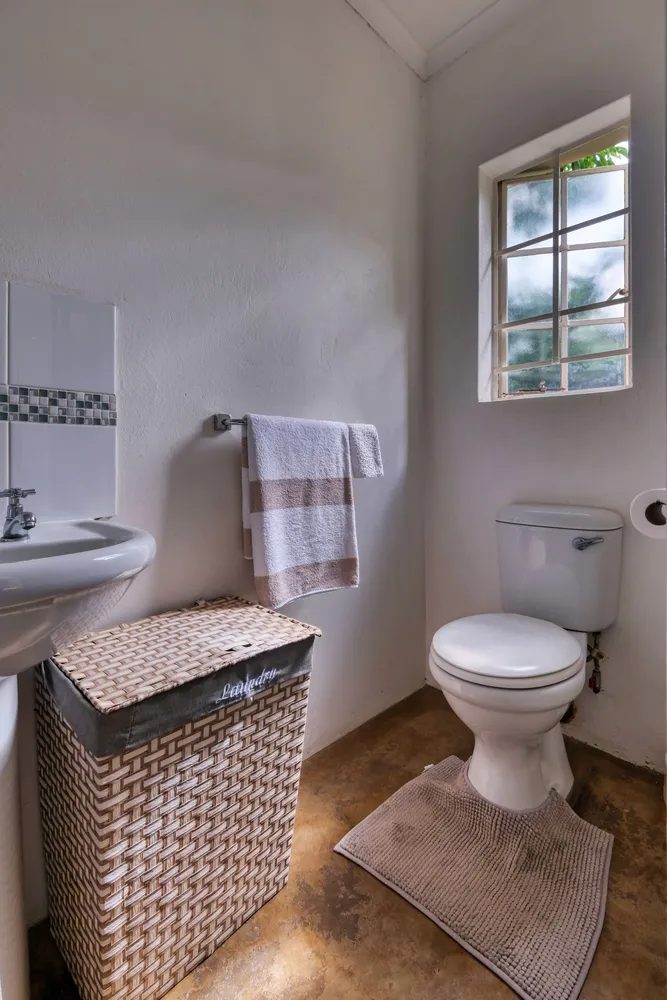
Lifestyle photography by Alexander F Ungerer / Pexels. The photograph illustrates a home setting; it does not identify a reviewed product.
A bath mat is a small purchase with several daily jobs: it occupies the space where you step from the shower, receives moisture and has to be washed or cleaned. In a compact room, it also sits near doors and cabinet edges. Choose the shape and material around those conditions. A mat that fits the room and can be cared for consistently may offer more useful comfort than a plush oversized version that never dries properly.
In this guide
Start with the step out of the shower
Notice where your feet actually land after a shower and whether you must turn toward a towel rail. That route determines the useful mat position. Measure the floor area, door clearance and any nearby cabinet opening. A larger mat may cover more tile but also interfere with movement or curl against a fixture. Your goal is a manageable landing area that lies flat and suits the floor, rather than the maximum textile size that can be squeezed into the bathroom.
Compare backing and care requirements
Read the backing information and check floor compatibility. Different flooring finishes may have specific guidance about mats, moisture and rubber backed products. Look for washing and drying instructions before buying, particularly if the mat has attached backing. A mat that requires a large machine or slow drying process may not fit a small apartment routine. Do not assume that a product described as washable tolerates any temperature or drying method. Keep the care label accessible and follow it when the first laundry day arrives.
Choose texture for use and maintenance
A plush surface can feel pleasant, while a flatter weave may be easier to handle and store. Foam filled styles have their own drying and care needs; rigid absorbent styles need a different approach to cleaning and positioning. Compare the material with your personal comfort preferences and the room’s conditions. A marketing claim about rapid drying does not remove the need to let the area dry between uses. If possible, choose one mat initially so you can observe its fit before buying a matching set or several spares.
Let the floor beneath it dry
Lift and inspect the mat regularly rather than leaving it in the same position indefinitely. Moisture can remain between a mat and the floor even when the top feels relatively dry. Follow the product instructions for drying and washing, and provide a safe place to hang it if that method is permitted. EPA guidance focuses on controlling moisture as part of addressing mold concerns. If the bathroom stays damp, changing mat styles alone is unlikely to address the underlying ventilation or leak problem.
Plan a rotation that fits storage
A spare mat can make wash day easier when the first one needs time to dry. It is useful only if you have a dry place to store it and actually exchange the mats. Keep the reserve modest, particularly in a narrow linen cupboard. Check edges and backing during routine cleaning, and replace a mat when deterioration makes it unsuitable. If it repeatedly shifts, curls or blocks movement, reassess the fit and installation guidance. Continued inconvenience is a reason to change the setup, not to keep layering more mats.
Before you place an order
Put the mat’s listed dimensions beside a drawing of the shower exit, vanity and door swing. Read the material and backing information, then compare cleaning and drying directions with your available equipment. A washable textile and a rigid absorbent surface require different maintenance, so avoid ranking them solely by softness or an attractive photo. Consider the cost of a spare only when it supports an actual rotation. Check return conditions before using or laundering the item. The four criteria below should guide the first purchase; decorative matching can wait until you know the mat lies appropriately and is manageable through normal use and its care cycle.
- A footprint clear of door swings
- Backing compatible with the floor finish
- Washing requirements you can meet
- A manageable drying and spare storage plan
Try it during an ordinary week
Before ordering, mark the proposed footprint and open every nearby door or drawer. After purchase, observe the mat through ordinary showers and its first cleaning cycle. Check that edges lie as intended and that the floor beneath can be inspected and dried. If a spare is useful, store it dry outside the splash area. Do not keep buying larger mats to cover damp floor patches; investigate why the moisture remains. Keep the care label with your household instructions and reassess when the backing or surface deteriorates. Fit, maintenance and a clear walking area should remain the standards for deciding whether the mat earns its place.
Compare your options
| Option | Best fit | Tradeoff |
|---|---|---|
| Washable textile mat | A familiar soft surface | Needs regular drying and laundering |
| Foam filled mat | A cushioned feel | Care and drying depend on construction |
| Rigid absorbent mat | A different textile free setup | Surface feel and care may not suit everyone |
Where to browse
Use these retailer collections to compare dimensions, materials, care instructions and current prices. These are ordinary retailer links unless an active affiliate arrangement is disclosed. We do not control availability, shipping or returns.
Questions before you buy
Can I leave the mat down all the time?
Follow product guidance and inspect the floor beneath it. Give moisture a chance to clear instead of treating the mat as permanent floor covering.
Should I prioritize the thickest option?
Consider door clearance, stability, washing and drying alongside comfort. Thickness by itself does not establish suitability.
Sources & further reading
Sources checked October 8, 2026. Practical suggestions reflect editorial judgment; always follow the instructions supplied with your own product.