Choose a Drying Rack for Laundry in a Small Home
Measure drying racks in use and folded, then compare stability, airflow and the clothes you regularly need to air dry.
Our guidance is based on published information and household scenarios, rather than hands-on product testing. Some links may earn a commission when an affiliate relationship applies. Read our disclosure.
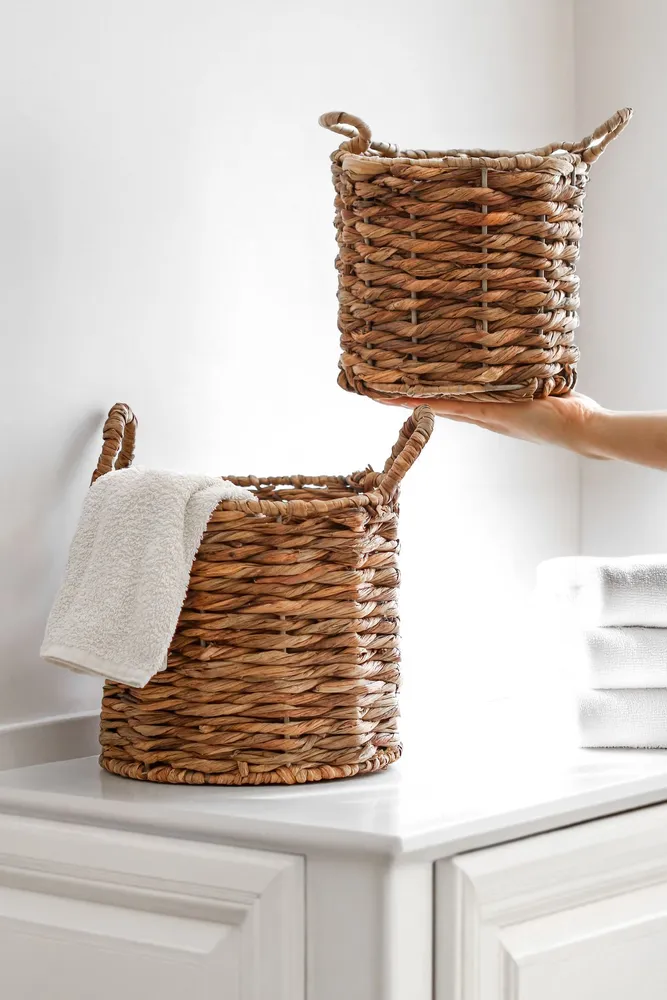
Lifestyle photography by Kader D. Kahraman / Pexels. The photograph illustrates a home setting; it does not identify a reviewed product.
Air drying can save a trip to the dryer for suitable clothes, but a rack has to coexist with the room while it works. In a studio, an open wing can block the desk chair or the route to the window. The right rack provides usable garment spacing, stable placement and a manageable folded shape. Consider where moisture goes and how long the rack occupies that spot, not just how small it looks when empty.
In this guide
Measure the rack while it is working
A folded rack can look impressively slim and still occupy most of the room once its wings open. Measure the full operating footprint and height, then include space for clothes hanging beyond the frame. Check the walking route, doors and access to windows. A rack should not turn the ordinary path to the kitchen into a sideways shuffle. Try marking the footprint with objects you already own before ordering. This simple rehearsal makes the difference between theoretical capacity and a piece you can comfortably leave up while clothes dry.
Choose around the garments you dry
A wardrobe heavy on shirts needs hanging height and space between garments. Socks and small items benefit from usable bars or suitable clips. A sweater that calls for flat drying may need an appropriate flat area rather than a narrow bar that stretches its shape. Read garment care labels before deciding the rack arrangement. Count usable drying positions for your normal load instead of treating every advertised meter of rail as equally useful. Bars crowded with overlapping fabric do not offer the same practical drying space as well spaced garments.
Inspect stability and contact surfaces
Check the locking method, base width and any weight limits. An extended wing carrying several wet garments changes the load distribution. Place the rack on a suitable level surface and keep it clear of door swings or frequent traffic. Smooth contact points matter for delicate clothes, while exposed rough joints can catch fabric. If using the rack outdoors, follow its intended use guidance and account for weather and stability. A lightweight indoor design may be easy to carry but is not automatically a suitable fixture for a windy balcony.
Give moisture somewhere to go
Indoor drying introduces moisture into the room, so choose a location with suitable ventilation and monitor the conditions rather than closing wet laundry in a small unventilated space. The EPA guidance linked below explains why moisture control matters in homes. Space garments to support airflow and avoid leaving wet items bunched together at the center. Do not place a rack against an unsuitable heat source to force faster drying. If dampness or condensation persists, rethink the drying arrangement and address the room’s moisture conditions instead of simply adding another rack.
Include setup and folded storage in value
A rack that is awkward to unfold may spend the week behind a wardrobe. Check whether you can operate its catches comfortably and whether the folded frame fits its intended storage spot. Compare durability, replacement parts where offered and care directions for the finish. Heated models add electrical requirements and operating costs, so read instructions carefully rather than assuming they solve every indoor drying issue. For many small households, a simple stable frame used consistently is more helpful than maximum capacity that is difficult to deploy.
Before you place an order
Compare open dimensions, folded dimensions, weight limits and the layout of usable rails. The advertised total rail length is less informative than whether shirts hang clear of the floor and suitable small items fit without crowding. Check the locking mechanism and how easy it is to operate with your available space. If outdoor use is intended, read the product’s actual outdoor guidance. For heated options, include electrical instructions and operating costs in the decision rather than assuming a powered model solves every moisture issue. Purchase the frame that supports your usual garment care methods and leaves an ordinary walking route open while in use.
- Full open dimensions including hanging clothes
- Stable frame with a clear load limit
- Space suited to normal garment types
- Folded dimensions and manageable catches
Try it during an ordinary week
Test the proposed layout with the clothes you most often air dry. Long shirts need height, small items need accessible rails and certain garments need flat care according to their labels. Keep a clear walking route and avoid positioning the frame where someone regularly opens a door into it. Once the clothes are dry, fold the rack and return it to its intended storage. If that final step rarely happens, check whether the catches or storage location are inconvenient. A smaller frame that you set up and put away comfortably may suit the home better than a tower promising capacity you cannot practically use.
Compare your options
| Option | Best fit | Tradeoff |
|---|---|---|
| Winged folding rack | Mixed everyday garments | Wide open footprint |
| Tall tower rack | Limited floor area | Lower tiers can be crowded |
| Flat drying support | Garments requiring flat care | Limited general hanging capacity |
Where to browse
Use these retailer collections to compare dimensions, materials, care instructions and current prices. These are ordinary retailer links unless an active affiliate arrangement is disclosed. We do not control availability, shipping or returns.
Questions before you buy
Can I dry all laundry in a closed bedroom?
Consider ventilation and moisture conditions. Persistent condensation or dampness needs attention and may require a different drying arrangement.
Is maximum rail length the best comparison?
Usable spacing and garment fit matter more. Count the clothes you can hang without excessive overlapping.
Sources & further reading
Sources checked October 8, 2026. Practical suggestions reflect editorial judgment; always follow the instructions supplied with your own product.