A Coffee Corner That Does Not Take Over the Counter
Practical choices for loose tools kept within a clear boundary, with fit checks, everyday tradeoffs, and a buying plan that puts useful features first.
Our guidance is based on published information and household scenarios, rather than hands-on product testing. Some links may earn a commission when an affiliate relationship applies. Read our disclosure.
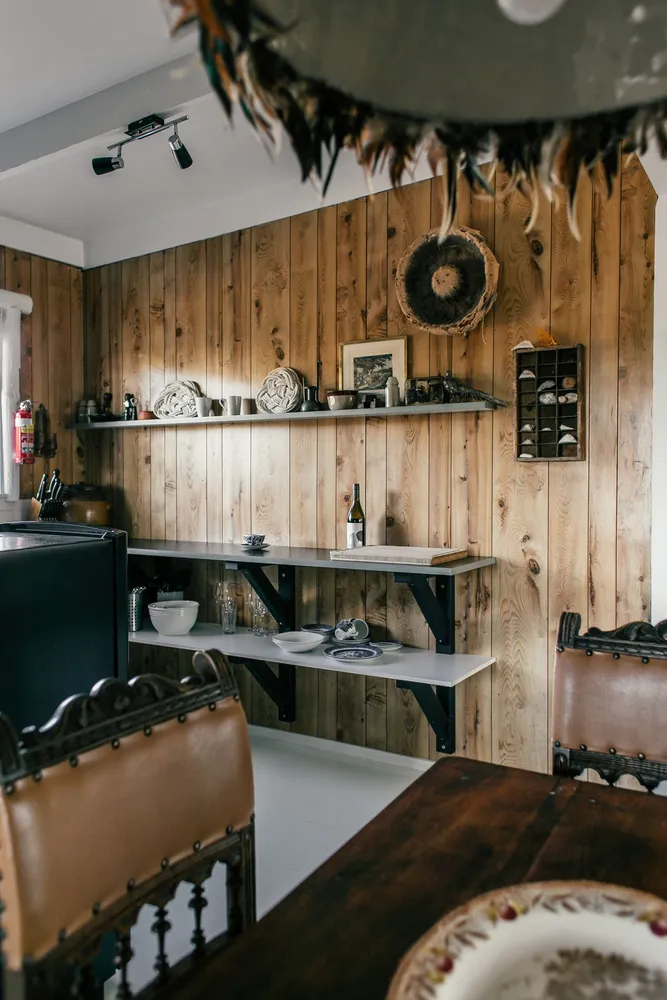
Lifestyle photography by Rachel Claire / Pexels. The photograph illustrates a home setting; it does not identify a reviewed product.
Picture morning coffee preparation leaves mugs, filters, spoons, and a bag of beans spread around the kitchen. A useful setup starts with the brewer you use, coffee or tea supplies, mugs, and daily accessories, rather than a shopping list built around somebody else’s room. This guide looks at the purchase through the daily task it needs to support.
For loose tools kept within a clear boundary, prioritize a layout that leaves maintenance access unobstructed. Before committing to compact shelf riser, check whether its advantage for usable vertical space away from appliance lids matters in your household. The choices here are planning recommendations based on the use case and published official shopping categories; we have not performed hands-on tests of a specific model.
In this guide
Start with the everyday problem
Begin by taking a practical inventory: trace the steps from filling the brewer to rinsing a mug and identify the supplies needed at each stage. Then keep daily supplies in a compact defined area and move unopened stock away from the preparation counter. The scope is the brewer you use, coffee or tea supplies, mugs, and daily accessories, so exclude unrelated objects before calculating the capacity you need.
A coffee station should organize the sequence you already use. Trace filling the brewer, adding coffee, finding a mug, and cleaning afterward. Supplies needed at those stages deserve convenient access, while unopened stock can live elsewhere. Include tea only if it is part of the same household routine. A station assembled from attractive accessories can become less efficient than the original layout when every jar or shelf adds another object between you and the brewer.
Measure the fit that matters
The important fit checks are appliance clearances, cabinet height, outlet location, and enough room to remove a tank or open a lid. Compare the manufacturer’s exact dimensions with those measurements, including the movement needed to retrieve, open, carry, or clean the chosen item. For low organizing tray, access is as important as the space it occupies.
Measure the appliance with its moving parts open. A brewer may need room above it for a lid or behind it for a removable tank. Check the manual for placement, clearance, and electrical guidance. Avoid using a shelf riser or tray to obscure those requirements. Locate the setup where water can be carried and spills handled sensibly. The footprint should include mugs and accessories in use, not just the appliance at rest beneath the cabinet.
Choose a format around the task
The first format, low organizing tray, suits loose tools kept within a clear boundary; its tradeoff is that a tray still needs regular wiping. The alternative, compact shelf riser, suits usable vertical space away from appliance lids, while it may interfere with access overhead. Material priorities for this situation are a washable tray or small caddy for loose supplies, and food-storage containers only when appropriate to the contents.
A low washable tray defines a home for spoons or packets without building upward into the brewer’s access area. A riser may use vertical space for lightweight supplies elsewhere, but it should not interfere with opening the machine. Food-storage containers are worthwhile only when appropriate to the contents and manufacturer guidance. Coffee packaging may already meet your storage needs. Keeping useful information from the package also matters when you choose to transfer its contents into another suitable container.
Spend on the useful feature
Direct the budget toward a layout that leaves maintenance access unobstructed. Put a matching jar collection before deciding which supplies need containers lower on the list, because it is not the first obstacle in this scenario. The purchase to avoid is a tall tiered shelf that prevents opening the brewer or filling its reservoir. A small targeted improvement is easier to evaluate than changing the entire setup simultaneously.
Select one accessory that resolves a clear nuisance. If spoons spread across the counter, a small existing cup or tray might do the job. If mugs consume the preparation area, moving them to an adjacent suitable shelf could help more than a pod drawer. Count how often every proposed item will be touched. A matching set is less compelling when most of it becomes decoration in the only clear counter space available for making lunch.
Keep the system useful after the first week
Build upkeep into the routine: wipe spills, clean the appliance according to its manual, and edit the station when mugs begin accumulating. When the arrangement gets crowded, return to its intended contents: the brewer you use, coffee or tea supplies, mugs, and daily accessories. Confirm that everything still has a sensible home and that the next person can use low organizing tray without dismantling the rest of the space.
Clean the brewer according to its manual and wipe the station as part of ordinary kitchen care. Return used mugs to the washing area instead of letting the station become a collection point. Review supplies before replenishing them so duplicate boxes do not gradually occupy the remaining counter. A coffee corner should be easy to start and equally easy to restore. Its purpose is a comfortable morning routine, with the rest of the kitchen still available afterward.
Compare your options
| Option | Best fit | Tradeoff |
|---|---|---|
| Low organizing tray | loose tools kept within a clear boundary | A tray still needs regular wiping |
| Compact shelf riser | usable vertical space away from appliance lids | It may interfere with access overhead |
Where to browse
Use these retailer collections to compare dimensions, materials, care instructions and current prices. These are ordinary retailer links unless an active affiliate arrangement is disclosed. We do not control availability, shipping or returns.
Questions before you buy
Is a pod drawer necessary?
Only if pods are part of your daily routine and the drawer fits the space. A small existing box may organize the same quantity without another dedicated purchase.
What is the main reason to choose low organizing tray here?
Its clearest use is loose tools kept within a clear boundary. The alternative can be useful for usable vertical space away from appliance lids, so weigh that specific routine against the tradeoff: it may interfere with access overhead. Before ordering, check appliance clearances, cabinet height, outlet location, and enough room to remove a tank or open a lid on the exact listing rather than relying on category photographs.
Sources & further reading
Sources checked October 8, 2026. Practical suggestions reflect editorial judgment; always follow the instructions supplied with your own product.