A Dish Rack That Leaves Room to Make Breakfast
Practical choices for regular plates beside a suitable sink, with fit checks, everyday tradeoffs, and a buying plan that puts useful features first.
Our guidance is based on published information and household scenarios, rather than hands-on product testing. Some links may earn a commission when an affiliate relationship applies. Read our disclosure.
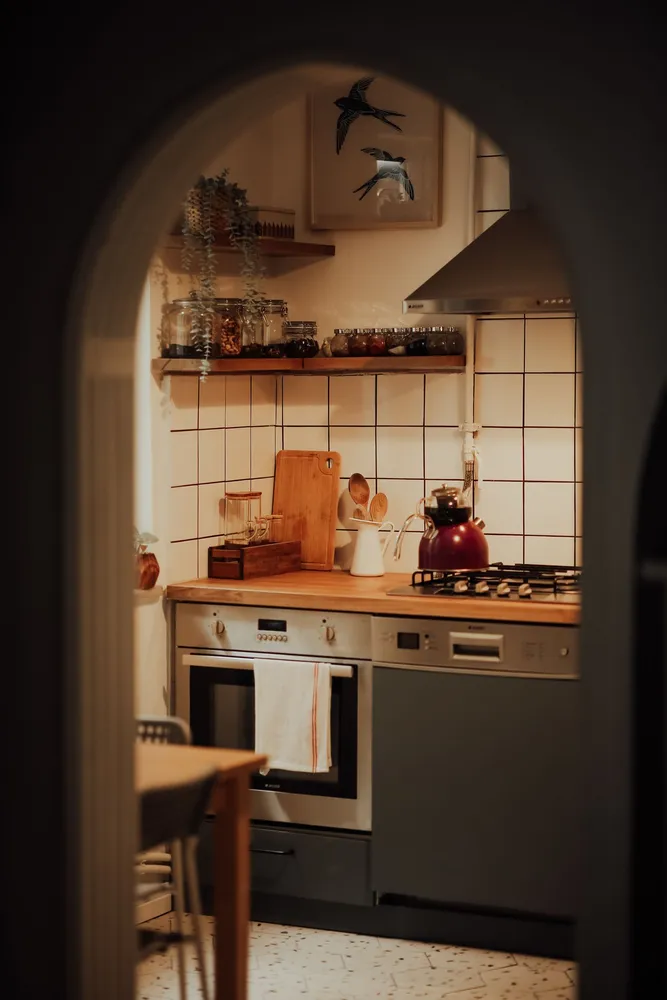
Lifestyle photography by Leyla Kılıç / Pexels. The photograph illustrates a home setting; it does not identify a reviewed product.
Picture a few washed mugs and plates occupy the entire counter beside the sink before anyone has made toast. A useful setup starts with daily mugs, breakfast bowls, plates, and utensils that are normally washed by hand, rather than a shopping list built around somebody else’s room. This guide looks at the purchase through the daily task it needs to support.
For regular plates beside a suitable sink, prioritize accessible drainage and a stable plate-holding layout. Before committing to roll-up sink rack, check whether its advantage for occasional items over a compatible sink opening matters in your household. The choices here are planning recommendations based on the use case and published official shopping categories; we have not performed hands-on tests of a specific model.
In this guide
Start with the everyday problem
Begin by taking a practical inventory: count a typical single washing session rather than planning around the largest dinner party you might ever host. Then place draining items near the sink and create a separate dry landing area so water does not spread across preparation space. The scope is daily mugs, breakfast bowls, plates, and utensils that are normally washed by hand, so exclude unrelated objects before calculating the capacity you need.
The useful size of a dish rack depends on what is normally washed by hand, not the number of dishes in the cupboard. Households using a dishwasher may need space mainly for a few mugs and selected utensils. Others need a rack that handles the ordinary dinner wash. Write down that usual load. Planning for the largest annual gathering can leave an oversized rack permanently occupying the counter where breakfast or vegetable preparation would otherwise happen.
Measure the fit that matters
The important fit checks are sink lip height, counter slope, drain orientation, and clearance under cupboards for upright plates. Compare the manufacturer’s exact dimensions with those measurements, including the movement needed to retrieve, open, carry, or clean the chosen item. For compact countertop rack, access is as important as the space it occupies.
Check the relationship between the rack and the sink edge. A drain channel that points toward the sink may still fail to reach past a high lip in your particular layout. Look at the direction water is intended to travel and any placement instructions. Cupboard height also affects upright plates, and hanging cup arms can protrude farther than the main base. Draw the footprint with those extensions included so the real counter cost is visible.
Choose a format around the task
The first format, compact countertop rack, suits regular plates beside a suitable sink; its tradeoff is that it uses a permanent patch of counter. The alternative, roll-up sink rack, suits occasional items over a compatible sink opening, while it limits sink access while in place. Material priorities for this situation are a rack with a drainage arrangement that works in your sink layout and removable parts you can clean.
Countertop racks and roll-up sink formats solve different problems. The first can supply defined plate slots and a consistent drying location. The second may clear away between tasks, but it occupies part of the sink during use and needs compatible support. Evaluate your washing sequence: can you rinse an item while others are drying? Removable trays or accessible bases matter because water and residue still need cleaning. No format eliminates that maintenance merely by looking minimal.
Spend on the useful feature
Direct the budget toward accessible drainage and a stable plate-holding layout. Put additional cup arms that hang over a walkway or collide with cupboards lower on the list, because it is not the first obstacle in this scenario. The purchase to avoid is a large rack bought for occasional guests that permanently blocks the only prep counter. A small targeted improvement is easier to evaluate than changing the entire setup simultaneously.
Prioritize stability for the dishes you own and a drainage arrangement you can understand. Extra tiers increase capacity but may make loading plates or cleaning the base awkward. Expandable arms help only when they fit the sink and are used according to instructions. If mugs are the main problem, a simpler compact format could be enough. Spend for the routine load and make a separate practical plan for an occasional party instead of dedicating the whole counter to it.
Keep the system useful after the first week
Build upkeep into the routine: empty trapped water, clean the base as instructed, and put away dry items before the next washing session. When the arrangement gets crowded, return to its intended contents: daily mugs, breakfast bowls, plates, and utensils that are normally washed by hand. Confirm that everything still has a sensible home and that the next person can use compact countertop rack without dismantling the rest of the space.
Put dry items away before the next washing session. This habit prevents a suitable rack becoming an overflow shelf where old cups block fresh dishes. Empty trapped water and clean components as directed. If the counter remains wet, check placement and drainage rather than simply adding more towels beneath the rack. A useful setup lets the kitchen transition from washing to cooking without relocating a large collection of drying equipment every time a meal begins.
Compare your options
| Option | Best fit | Tradeoff |
|---|---|---|
| Compact countertop rack | regular plates beside a suitable sink | It uses a permanent patch of counter |
| Roll-up sink rack | occasional items over a compatible sink opening | It limits sink access while in place |
Where to browse
Use these retailer collections to compare dimensions, materials, care instructions and current prices. These are ordinary retailer links unless an active affiliate arrangement is disclosed. We do not control availability, shipping or returns.
Questions before you buy
Will every rack drain into every sink?
No. Compare the drain outlet and sink edge before buying. A rack may need a level location or a specific placement to direct water as intended.
What is the main reason to choose compact countertop rack here?
Its clearest use is regular plates beside a suitable sink. The alternative can be useful for occasional items over a compatible sink opening, so weigh that specific routine against the tradeoff: it limits sink access while in place. Before ordering, check sink lip height, counter slope, drain orientation, and clearance under cupboards for upright plates on the exact listing rather than relying on category photographs.
Sources & further reading
Sources checked October 8, 2026. Practical suggestions reflect editorial judgment; always follow the instructions supplied with your own product.