Mesh Laundry Bags: Choose the Size and Closure You Need
Use mesh bags for suitable garments within their care instructions, and compare bag sizes, closures and practical loading habits before buying a set.
Our guidance is based on published information and household scenarios, rather than hands-on product testing. Some links may earn a commission when an affiliate relationship applies. Read our disclosure.
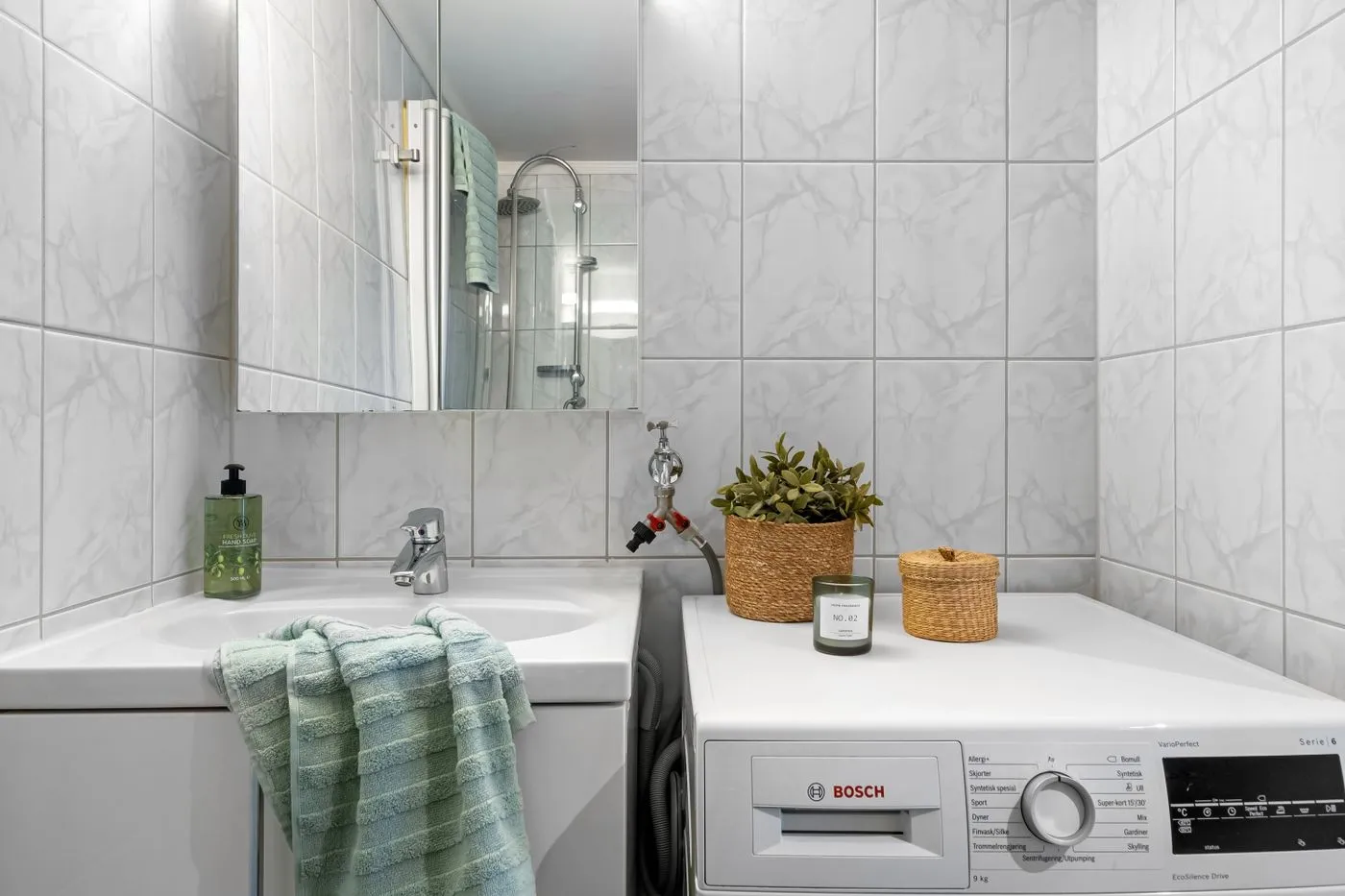
Lifestyle photography by Lisa Anna / Pexels. The photograph illustrates a home setting; it does not identify a reviewed product.
Mesh bags often arrive in large mixed sets, even when the household has only a few suitable items that need them. An unused assortment can become another puzzle in the laundry drawer. Start by reading the garments’ care labels, then choose sizes and closures for the approved tasks you actually repeat. A bag should make the process easier to manage while preserving care decisions, rather than suggest that every delicate item can join the same machine load.
In this guide
Understand what the bag can and cannot change
A mesh laundry bag is an accessory within a suitable washing process. It does not turn a hand wash or dry clean instruction into permission for any machine cycle. Read garment labels first and identify the items for which a bag is useful within the approved method. Small suitable items may be easier to keep together, while certain garments need a different care process altogether. Begin with those real use cases instead of purchasing a large variety pack simply because it appears to cover every possible laundry need.
Choose room for movement rather than a tight fit
Match bag dimensions to the garment or small group of items you intend to wash. Avoid cramming a bag until it becomes a dense parcel. Follow the bag and appliance guidance for loading, and keep the machine’s overall load within its instructions. A larger bag may be useful for an appropriate garment but awkward for a few socks. Several sizes can help when they correspond to recurring tasks, yet duplicate sizes are not necessarily needed before you know how your laundry routine will use them.
Inspect closures and seams
Check how the zipper or other closure stays shut and whether there is a protective cover for exposed hardware. Follow the manufacturer’s directions for securing it. Look for smooth seams and a construction suitable for the intended wash method. A damaged closure can allow items to escape, while rough edges may be unsuitable around delicate textiles. Check the bag before each use instead of assuming it remains intact indefinitely. An inexpensive accessory is still worth inspecting when it surrounds a garment that would be costly or inconvenient to replace.
Make sorting and unloading visible
Keep clean bags near the sorting area so they are used at the moment of deciding the load. If several people do laundry, write a reminder about which garments require the bags and which still need separate handling. After washing, open the bag and follow each garment’s drying instructions. Do not leave a closed bundle of damp items waiting because it is easy to overlook. Return the bag to its storage only after caring for it as directed and letting it dry appropriately.
Evaluate a small set before expanding
Try one or two useful sizes through your normal routine, then note what actually goes inside. If a bag stays unused, another variety pack will not improve the process. Compare the closure, dimensions and care instructions rather than buying by piece count alone. ENERGY STAR guidance can inform efficient laundry habits, while the garment and appliance instructions define suitable handling for a particular load. Buy replacements when existing bags are worn or no longer function properly, and choose the sizes that earned a place in your routine.
Before you place an order
Compare usable bag dimensions with the suitable items you intend to wash. Check the closure, seams and the care directions for the bag itself. A protective zipper cover can be useful when specified, but it still needs correct fastening. Piece count is a poor measure of value if several sizes remain untouched. Look for a small set matching your established care tasks and confirm that the bags suit the approved washing methods. Keep garment labels as the decision maker for laundry care. Before stocking replacements, observe which dimensions you regularly use and how the closures perform through ordinary sessions. Replace the useful sizes instead of automatically repeating the largest assortment.
- Bag dimensions suited to specific suitable items
- A closure that stays secured as directed
- Smooth seams and appropriate construction
- Care instructions matching your laundry process
Try it during an ordinary week
For the first few uses, assign each bag one clear job and observe whether its size leaves appropriate room for the contents. Secure the closure according to instructions and inspect seams before loading. After washing, remove the garments promptly and follow their individual drying directions. Let the bag dry as directed before returning it to a visible place near sorting. If a size remains unused, do not replicate it in the next purchase. Replace worn bags with the dimensions that proved useful. A small understandable set can serve the routine better than many near identical bags whose purpose no one remembers.
Compare your options
| Option | Best fit | Tradeoff |
|---|---|---|
| Small zip mesh bag | Keeping suitable small items together | Limited space for larger garments |
| Larger mesh bag | Suitable individual garments | Easy to overfill |
| Mixed size starter set | Several established care tasks | Some sizes may remain unused |
Where to browse
Use these retailer collections to compare dimensions, materials, care instructions and current prices. These are ordinary retailer links unless an active affiliate arrangement is disclosed. We do not control availability, shipping or returns.
Questions before you buy
Can a bag protect every delicate garment?
No. Follow the garment’s care label and use only a suitable process. A bag cannot override fabric or construction limitations.
Should I leave items inside for drying?
Open and remove them, then follow their drying instructions. Care for the bag according to its own directions.
Sources & further reading
Sources checked October 8, 2026. Practical suggestions reflect editorial judgment; always follow the instructions supplied with your own product.