A Bedroom Reading Corner You Will Actually Use
Plan a small bedroom reading corner with reachable light, a comfortable seat and sensible table space before buying decorative extras.
Our guidance is based on published information and household scenarios, rather than hands-on product testing. Some links may earn a commission when an affiliate relationship applies. Read our disclosure.
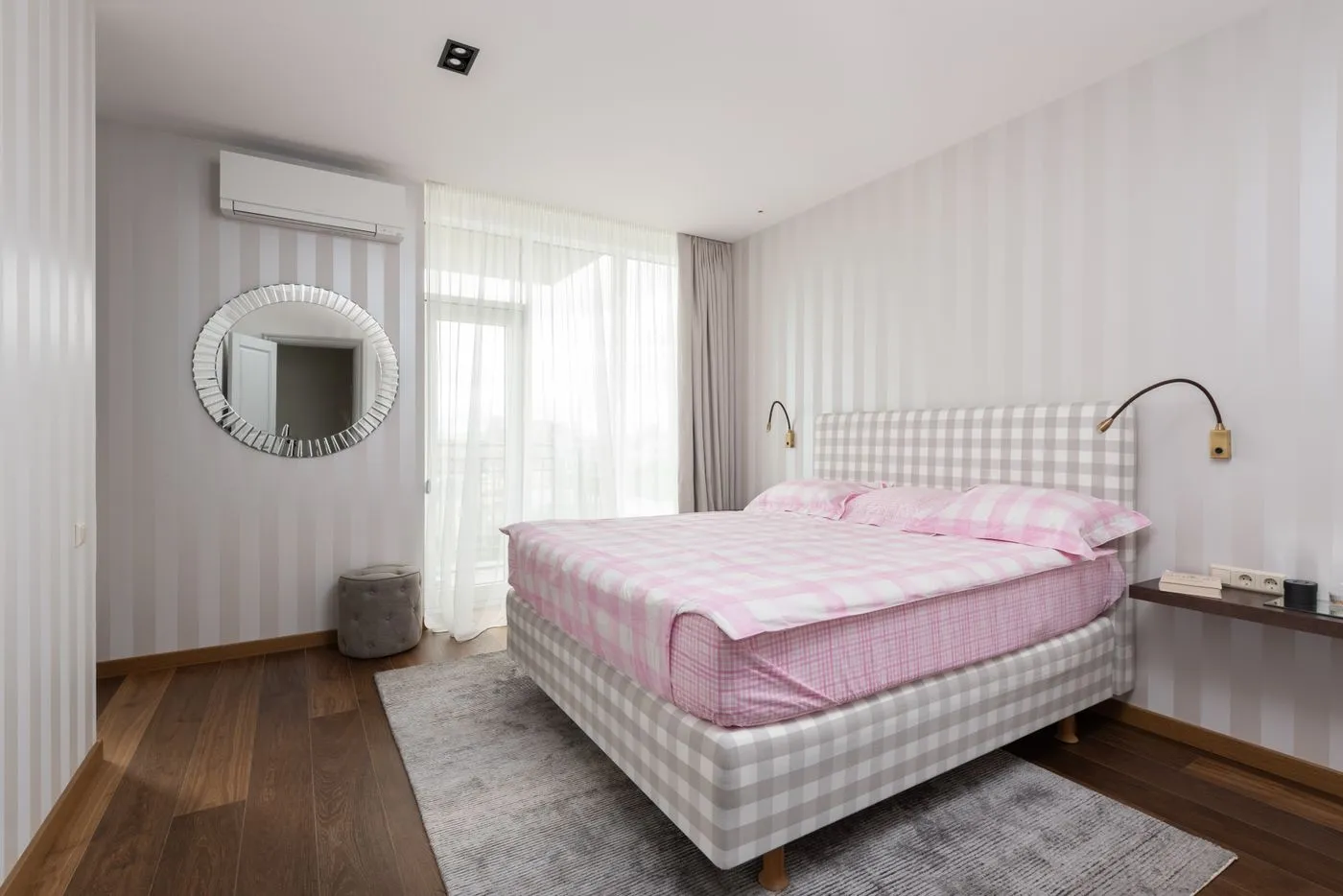
Lifestyle photography by Max Vakhtbovych / Pexels. The photograph illustrates a home setting; it does not identify a reviewed product.
A bedroom chair often begins with the promise of quiet reading and ends under yesterday's sweater. A useful reading corner needs a purpose that is easier than using it as storage. Begin with the seat you already have, the place light can safely reach and the way you move through the room. Buy only the pieces that make sitting down feel straightforward.
In this guide
Test the corner before purchasing a chair
Place an existing chair in the proposed spot and sit with a book. Notice whether the bedroom door opens freely, whether the bed remains easy to walk around and whether you can reach a lamp. A corner that looks empty in a floor plan may be part of the room's working circulation.
Check whether the chair will be used for reading, getting dressed or both. A deeply reclined seat can be appealing for one task and inconvenient for another. If you shop in person, assess the chair in the way you expect to use it. Published dimensions help establish fit, but they do not determine your preferred seat feel.
Give light and a drink a sensible home
A compact side table may be more helpful than a large bookshelf if the immediate need is somewhere to set a cup. Measure the table's footprint and height against the chair. Keep the surface close enough to reach without stretching, but leave room for moving into and out of the seat.
Position the lamp according to the reading task and available outlet. Check the manufacturer's installation and bulb requirements. Avoid a cord stretched across the path to the closet. A reading corner that is difficult to switch on or requires furniture to be moved each evening is unlikely to become an easy habit.
Choose textiles that support the task
A small throw can be useful if you want an extra layer while sitting. Before buying, check its dimensions, material and care label. A blanket that drags on the floor can interfere with a narrow bedroom path, while a tiny decorative throw may not provide the coverage you expected.
Add a cushion only if it makes the particular chair more comfortable for you. Several cushions can consume the usable seat and become another pile to move. If the chair doubles as a dressing seat, keep the textile arrangement easy to remove and replace. Comfort accessories should help the activity rather than make the corner harder to use.
Prevent the chair from becoming overflow storage
Give clothing a separate destination close enough to use without thinking. That may be an existing hook, drawer or laundry basket, not another piece of furniture in the corner. Keep only the current book within reach and return old reading material to its regular shelf.
If the chair still collects clothes after the layout changes, reconsider whether the reading corner is needed in that room. The best purchase may be a lamp for a seat elsewhere in the home. A small bedroom benefits from objects with a clear daily purpose, and removing an unused chair can sometimes improve the room more than adding accessories.
Budget for the whole corner
Include the chair, light and a usable surface only if each is missing. A chair alone does not solve the reading task when there is no reachable light, and an expensive table does not matter if the seat is uncomfortable for you. Compare the total footprint and total price of the proposed arrangement rather than assessing each item in isolation.
Buy the piece that addresses the largest gap, set it up and reassess the corner before adding another. If you already have a suitable chair, a carefully chosen lamp may complete the space. If the bedroom cannot accommodate the arrangement, keep the budget for a better reading spot elsewhere. Furniture earns its place by supporting a routine, so let regular use determine whether the next accessory is worth buying.
Compare your options
| Option | Best fit | Tradeoff |
|---|---|---|
| Existing chair plus reading lamp | Trying the routine with a small outlay | The current chair may not suit long reading |
| Compact armchair and side table | A dedicated seat with everyday convenience | Needs a measured footprint |
| Bedside reading setup | Rooms without space for a separate chair | The bed remains the reading location |
Where to browse
Use these retailer collections to compare dimensions, materials, care instructions and current prices. These are ordinary retailer links unless an active affiliate arrangement is disclosed. We do not control availability, shipping or returns.
Questions before you buy
Do I need a footstool?
Only if you prefer one and have room for it without blocking the route through the room. Test the chair arrangement before adding another piece.
What should I buy first?
Address the missing function: light if the seat is already comfortable, a table if belongings have nowhere to go, or a seat if the current one does not fit the task.
Sources & further reading
Sources checked October 8, 2026. Practical suggestions reflect editorial judgment; always follow the instructions supplied with your own product.