A Home Workday Corner in a Shared Room
Plan a small household work corner with an appropriate surface, task light and quick reset while keeping the shared room useful after work.
Our guidance is based on published information and household scenarios, rather than hands-on product testing. Some links may earn a commission when an affiliate relationship applies. Read our disclosure.

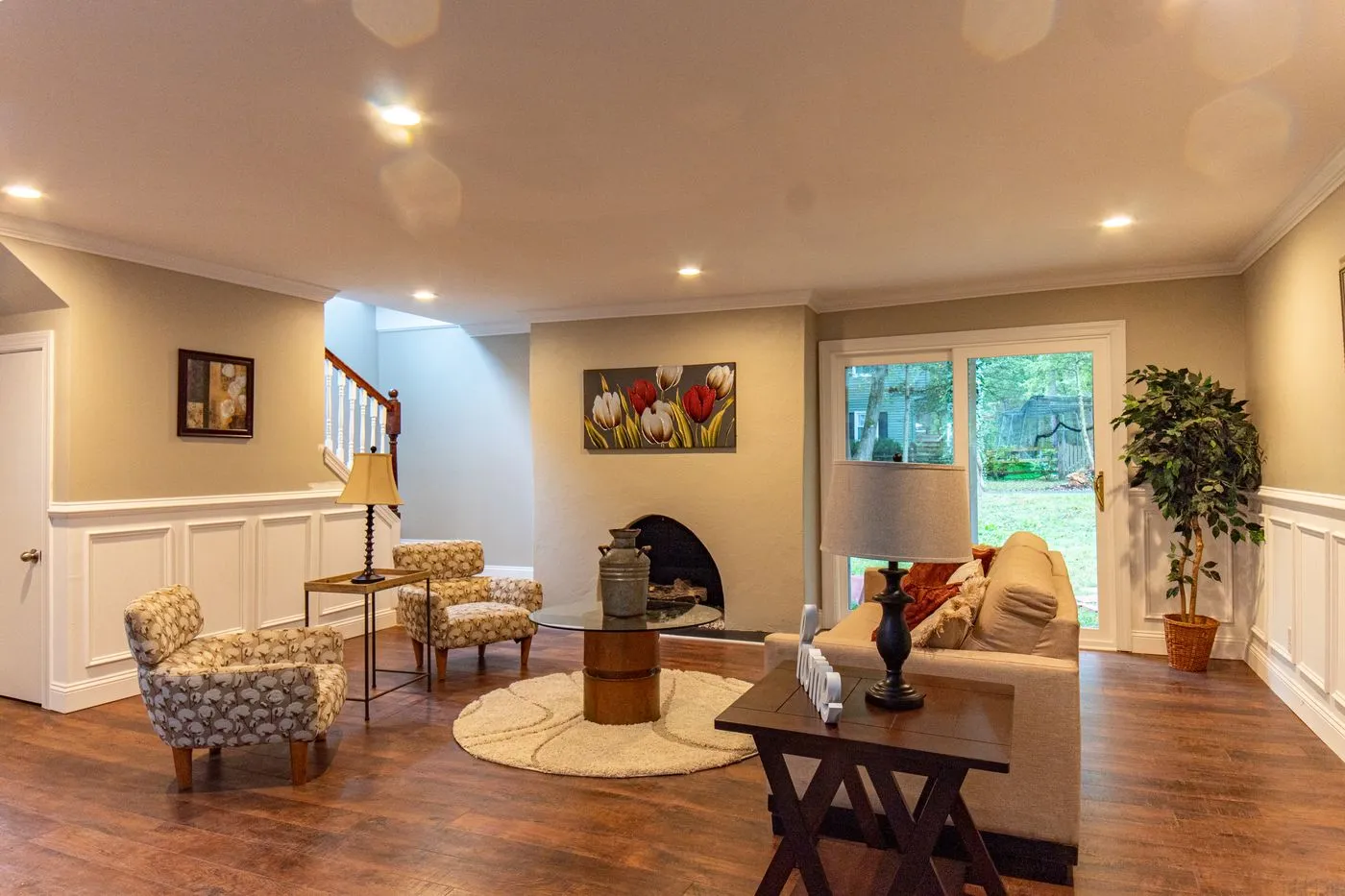
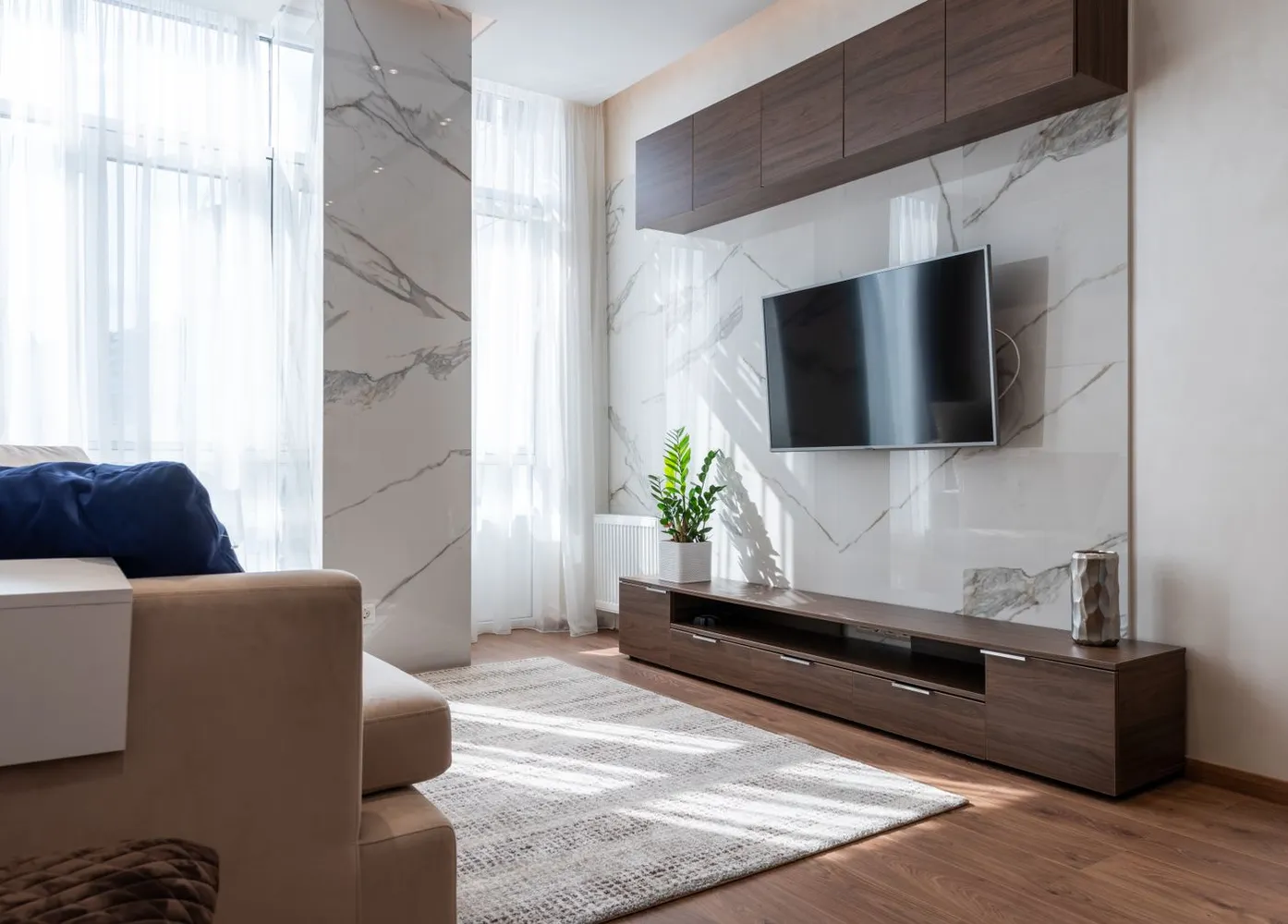
Lifestyle photography by Charlotte May / Pexels. The photograph illustrates a home setting; it does not identify a reviewed product.
A laptop on the dining table can work for a short task and become awkward when it stays there through dinner. In a shared room, a work corner needs to support the task and return space to the household afterward. Begin with the work you actually do, the surface you can reasonably use and the few items that must be close at hand.
In this guide
Define the task and the time it occupies
A place for occasional bills needs a different setup from a surface used for several hours of regular work. List the equipment and paper you genuinely use. A larger workstation may be justified for a recurring task, while a portable arrangement may be enough for occasional household administration.
Check the work surface against the manufacturer's intended use and load guidance. A side table should not be assumed suitable as a full desk. If you use the dining table temporarily, consider how the setup can be cleared without disconnecting an awkward collection of accessories. The goal is a practical household arrangement, not a promise of a health or productivity outcome.
Choose a position that respects the shared room
Measure the route around the proposed corner, including chairs being pulled out and cupboard doors opening. A narrow desk can fit a wall while still blocking the space someone needs behind the chair. Include the occupied footprint rather than only the furniture dimensions.
Look at the room in the evening as well as during the work period. The corner should not make ordinary activities difficult after the work ends. If the only available location creates constant conflict, reconsider whether a portable setup or another existing surface is more sensible than purchasing dedicated furniture for an unsuitable gap.
Make task light and cords straightforward
Assess whether the existing light reaches the work surface adequately for your task. A suitable task lamp can help direct light where you want it, but its base and moving parts need space. Check bulb and control compatibility in the product information. Assess screen reflections from the actual seat rather than guessing from a photograph.
Plan the cable path before adding equipment. Keep cords away from walkways and pinch points and follow the manufacturer's electrical guidance. Avoid relying on a connection that must be stretched through the room for each work session. A simple setup that is easy to connect and clear is often more useful than an elaborate accessory system.
Give work items one clear return place
A small shelf, drawer or container may be enough for the equipment you actually use. Decide which items remain at the surface and which leave when the task ends. Avoid buying a large storage unit merely because work items are currently spread across the table; their quantity may call for a much smaller solution.
Keep important papers in an appropriate secure household location rather than on an open display shelf. For everyday accessories, choose storage that is easy to access and does not require removing several decorative objects. A clear reset helps the room return to dining, conversation or another shared purpose without leaving the work setup scattered through it.
Spend on the missing function first
If the surface works but the light is poor, compare lamps before desks. If equipment has no return place, consider existing storage before adding furniture. If the current surface is unsuitable for regular work, prioritize an appropriately designed alternative. Keep each purchase tied to the task and the measured space.
Compare assembly, delivered cost and the manufacturer's documentation before ordering. Place one item and assess how the room works through a complete day before expanding the corner. A shared room benefits from a work setup with defined boundaries and a realistic reset, and you can achieve that with fewer pieces than a fully coordinated office collection.
Compare your options
| Option | Best fit | Tradeoff |
|---|---|---|
| Portable setup on a suitable existing surface | Occasional household tasks | Needs a reliable clearing routine |
| Compact purpose-designed desk | A recurring work task with a dedicated place | Occupied chair space must fit too |
| Task light and existing storage | A surface that already works well | Does not solve an unsuitable desk arrangement |
Where to browse
Use these retailer collections to compare dimensions, materials, care instructions and current prices. These are ordinary retailer links unless an active affiliate arrangement is disclosed. We do not control availability, shipping or returns.
Questions before you buy
Should I buy a desk before trying the room layout?
Test the footprint and occupied chair space first. Confirm that the proposed setup can coexist with ordinary use of the room before committing to furniture.
Does every work corner need lots of storage?
No. List the items you actually use and assign them a return place. A small accessible arrangement can work better than a large unit filled with unrelated objects.
Sources & further reading
Sources checked October 8, 2026. Practical suggestions reflect editorial judgment; always follow the instructions supplied with your own product.