Living Room Lighting for an Ordinary Evening
Plan living-room lighting for reading, conversation and clearing up, using accessible controls and measured placement before buying fixtures.
Our guidance is based on published information and household scenarios, rather than hands-on product testing. Some links may earn a commission when an affiliate relationship applies. Read our disclosure.
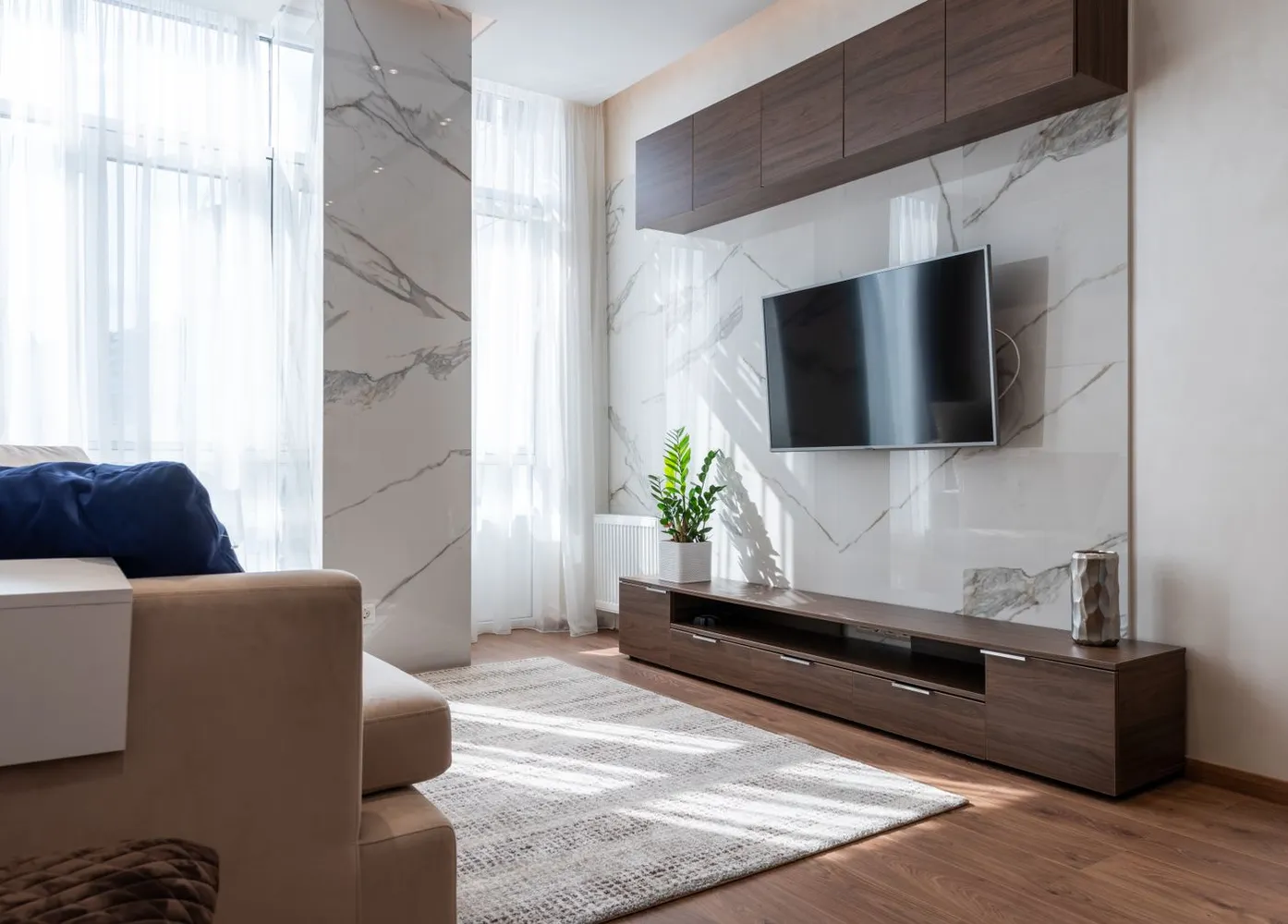
Lifestyle photography by Max Vakhtbovych / Pexels. The photograph illustrates a home setting; it does not identify a reviewed product.
A living room can need bright light for finding a dropped toy at six o'clock and gentler light for conversation later. A single overhead fixture may leave a reading seat dim while making another corner feel glaring. Start with the evening activities in your home, then decide which light source needs to serve each task and where it can safely connect.
In this guide
List the tasks before choosing fixtures
Identify where people read, talk, watch a screen and clear the room at the end of the evening. The same light arrangement may not suit all of those tasks. Look at the current room after dark and note which seat lacks usable light and which light source is uncomfortable to look toward.
Try repositioning an existing lamp before buying another. A task light near the seat may address a specific problem more directly than a brighter overhead bulb. Keep the plan modest: one source for general visibility and another where a regular activity needs it can be a useful starting point. Add more only when there is a clear gap.
Place the shade with the seated view in mind
Sit in the actual furniture and check whether the light source is directly visible. A shade that looks attractive while standing can put a bright bulb at eye level from the sofa. Read product information about the shade and adjustable parts, and assess a display when possible.
Think about reflections on a television or computer screen if those are part of the room. The result depends on position and viewing angle, so test the intended lamp location rather than relying on the catalog arrangement. A floor lamp needs a stable footprint that leaves the walking route clear; a table lamp needs a surface that can spare the space.
Check the complete control arrangement
Review bulb type, replaceability, dimming compatibility and switch position. A product described as dimmable may require a compatible bulb or control that is sold separately. An integrated light source has a different maintenance path from a replaceable bulb. Choose the arrangement that suits how you want to use and maintain the lamp.
A smart feature can be useful when the household wants it, but a straightforward physical control still matters for visitors and everyday convenience. Check what functions are available without an app and follow manufacturer setup directions. Do not choose an elaborate control system for a simple task unless its added steps have a purpose in your routine.
Resolve cord paths before adding a lamp
Locate the available outlets and plan the cord path without stretching it across the room. Keep cords away from pinch points, doors and places where moving furniture could damage them. Follow the manufacturer's electrical and placement instructions. A lamp in the ideal-looking corner may be impractical if it creates an unsafe or inconvenient connection.
If the room needs electrical changes, arrange appropriate qualified help rather than improvising around the missing outlet. A battery-powered product may suit some tasks, but check its intended use and charging requirements. The lighting plan should work day after day, with accessible controls and a setup that does not need to be dismantled for cleaning.
Compare the working setup cost
Include required bulbs, shades and compatible controls in the budget. A fixture price alone may not describe a ready-to-use arrangement. Compare documentation rather than assuming that lamps of similar appearance share electrical requirements. Buy the light source that addresses the identified task first.
After placing the lamp, assess the room during the activities that prompted the purchase. You may find that one change is sufficient. Keep additional decorative lighting off the list until the essential setup works. Good everyday lighting serves the people in the room, makes controls easy to find and fits the available surfaces without requiring a collection of unnecessary fixtures.
Compare your options
| Option | Best fit | Tradeoff |
|---|---|---|
| Adjustable task lamp | A regular reading or craft seat | Movement and shade position need planning |
| Shaded table lamp | Conversation and general evening use | Uses tabletop space |
| Floor lamp | Rooms without a spare table surface | Base and cord need a clear route |
Where to browse
Use these retailer collections to compare dimensions, materials, care instructions and current prices. These are ordinary retailer links unless an active affiliate arrangement is disclosed. We do not control availability, shipping or returns.
Questions before you buy
Do I need smart bulbs?
Only if the functions fit your household. Check compatibility and whether controls remain convenient for people who do not use the app.
Can any lamp accept a brighter bulb?
No. Follow the lamp's stated bulb requirements and limits. Choose a fixture suited to the task instead of exceeding its specifications.
Sources & further reading
Sources checked October 8, 2026. Practical suggestions reflect editorial judgment; always follow the instructions supplied with your own product.