A Living Room Rug for Real Everyday Traffic
Choose a living room rug around walking routes, furniture placement and cleaning needs, with practical tradeoffs for a busy household.
Our guidance is based on published information and household scenarios, rather than hands-on product testing. Some links may earn a commission when an affiliate relationship applies. Read our disclosure.

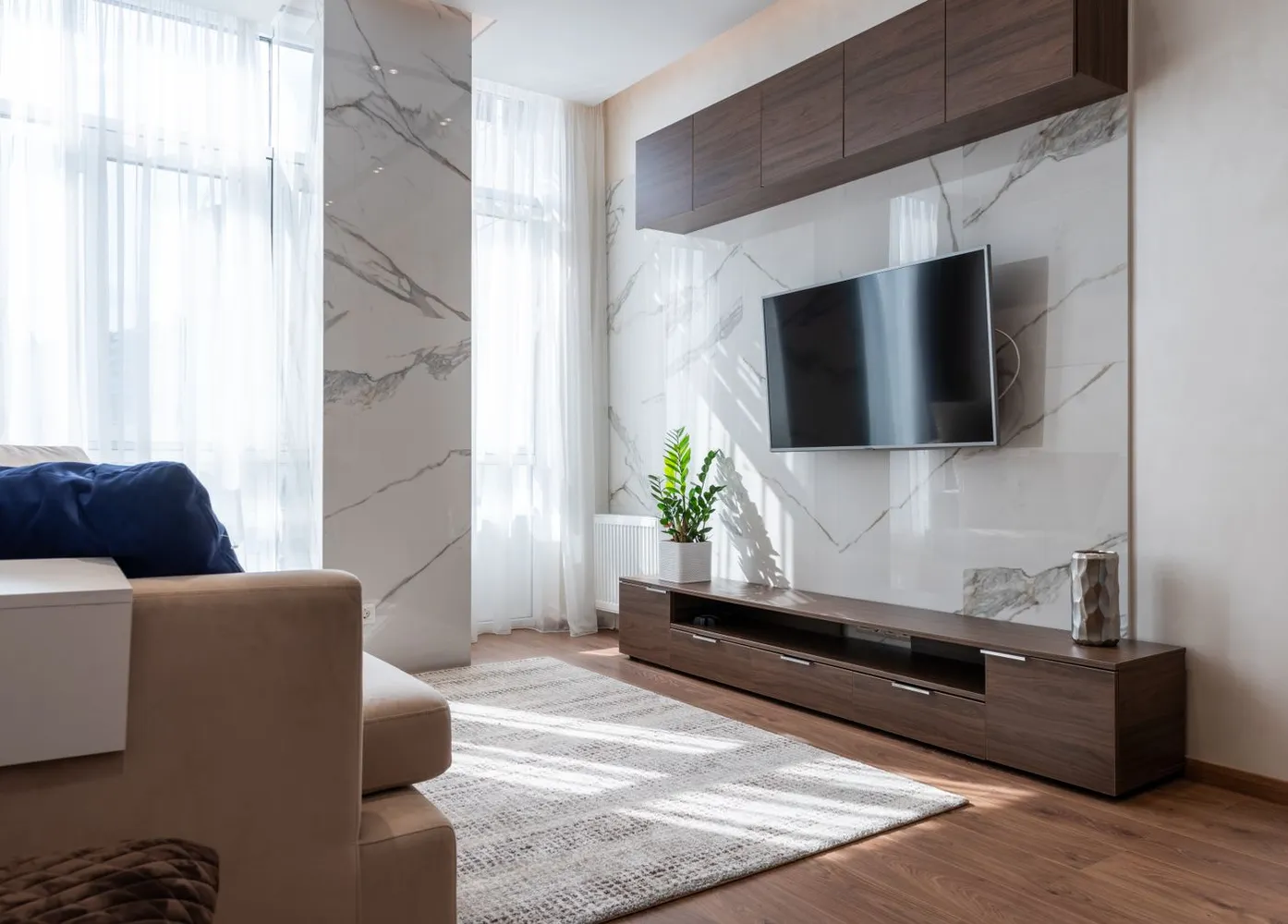
Lifestyle photography by Tim Douglas / Pexels. The photograph illustrates a home setting; it does not identify a reviewed product.
The living room rug sees more than bare feet and carefully arranged furniture. It sits under snack bowls, catches the path from the hallway and sometimes becomes the place where everyone gathers for a board game. A sensible rug choice begins with those ordinary activities. Color matters, but size, placement and realistic care determine whether the rug earns its floor space.
In this guide
Map the room before selecting a size
Mark the proposed rug outline with removable tape that is safe for your floor. Arrange the sofa and chairs as you normally use them, then walk through the room carrying a laundry basket or a tray. Look for awkward edges near doorways and furniture legs that create an uneven arrangement. Measuring the empty floor alone can overlook the way the room functions.
Decide which furniture should sit on the rug and make the choice consistent. The official IKEA buying-guide hub includes rug-planning resources you can consult when comparing layouts. Use a measured plan rather than relying on the scale of a retailer photograph. A rug that appears generous in a wide room may feel very different in your narrow living area.
Choose a surface you can realistically maintain
Consider pile height, texture and the stated cleaning instructions together. A deeply textured rug may be appealing underfoot, but check whether it suits your vacuum and the type of debris that regularly appears in the room. A lower-profile option may be easier for some routines, while still needing the appropriate care for its material.
A patterned rug can change the appearance of everyday marks, but no pattern eliminates the need to clean. If the product is described as washable, check the actual dimensions and washing requirements against your machine. A removable-cover system still needs its specified care arrangement. Do not assume that every large washable rug will fit household equipment.
Check floor compatibility and edge stability
Read the rug and any underlay guidance for your flooring. A suitable underlay may help the arrangement stay in place, but materials and instructions matter. Do not add an unidentified backing simply because it is inexpensive. Check that the edge is not positioned where a frequently used door catches it.
A narrow walkway deserves particular attention. If everyone steps over the same edge repeatedly, adjust the rug position or size rather than trying to disguise the problem with furniture. Follow manufacturer directions for use and maintenance, and keep the floor beneath dry. Practical placement is part of the purchase decision, especially in a room shared by children, pets or visiting relatives.
Plan for the room after delivery
Confirm the packed size and delivery arrangements, particularly if stairs or a small doorway make large items awkward to bring inside. Read the retailer's return terms before opening and placing the rug. Once delivered, follow instructions for unrolling and setting it up rather than improvising with heat or moisture.
Keep the first styling step simple: place the rug with existing furniture and assess the arrangement before adding coordinated cushions. If the room still feels busy, the solution may be fewer accessories rather than another purchase. A useful rug ties together the activities already happening in the room and remains compatible with the cleaning routine you can maintain.
Compare complete costs
Include a compatible underlay if needed, delivery and any special cleaning costs when comparing candidates. A lower headline price can lose its appeal when the size or care requirements do not suit the household. Prioritize the measured footprint and a material you understand before paying extra for a fashionable pattern.
Use the same checklist for each option: dimensions, cleaning instructions, floor compatibility and return conditions. Reject a candidate when an essential detail is missing rather than assuming it will work. If your existing rug is only poorly positioned, try the measured layout first. Buying a new rug makes sense when it addresses the fit or maintenance problem, not simply because a room refresh has begun.
Compare your options
| Option | Best fit | Tradeoff |
|---|---|---|
| Low-profile rug | Busy paths and furniture that needs a flatter surface | Texture may feel less plush |
| Higher-pile rug | Readers who prioritize a softer surface | Debris removal and furniture placement need care |
| Washable rug as specified | Households with a compatible washing arrangement | Size and care may exceed household capacity |
Where to browse
Use these retailer collections to compare dimensions, materials, care instructions and current prices. These are ordinary retailer links unless an active affiliate arrangement is disclosed. We do not control availability, shipping or returns.
Questions before you buy
What should I measure first?
Measure the planned furniture grouping and walking routes, then mark the rug outline on the floor. Include doors and furniture movement rather than using room width alone.
Is a rug pad always necessary?
Check the rug, floor and underlay instructions. The right arrangement depends on those products, and a pad should not be used to compensate for a badly placed rug edge.
Sources & further reading
Sources checked October 8, 2026. Practical suggestions reflect editorial judgment; always follow the instructions supplied with your own product.