Pantry Containers That Fit the Food You Buy
Practical choices for frequently scooped dry staples, with fit checks, everyday tradeoffs, and a buying plan that puts useful features first.
Our guidance is based on published information and household scenarios, rather than hands-on product testing. Some links may earn a commission when an affiliate relationship applies. Read our disclosure.
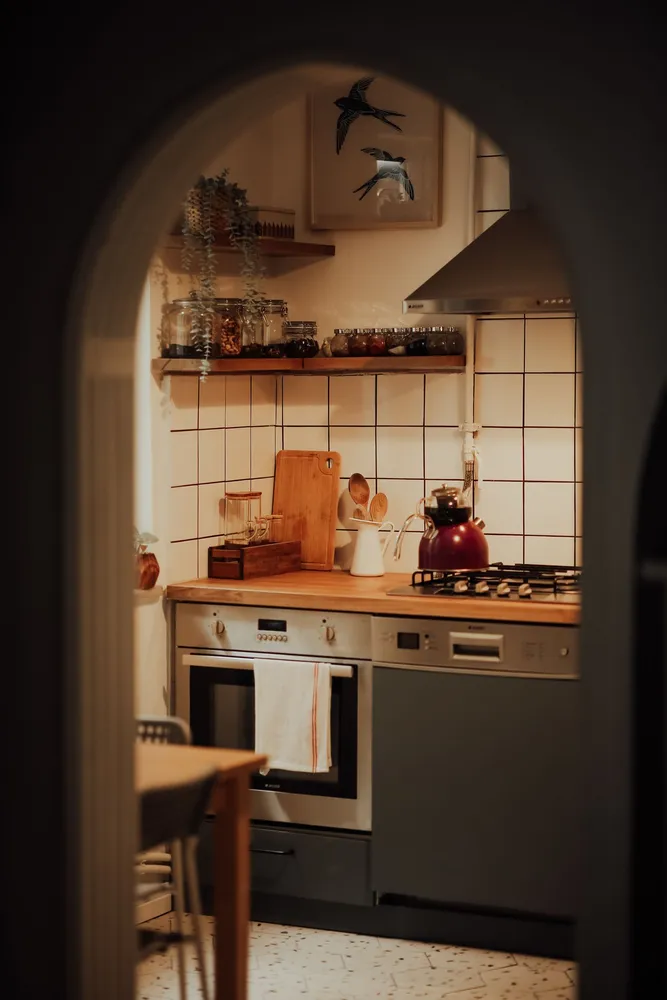
Lifestyle photography by Ron Lach / Pexels. The photograph illustrates a home setting; it does not identify a reviewed product.
Picture a fresh bag of rice arrives while three half-empty packages already occupy the cupboard. A useful setup starts with rice, flour, cereal, crackers, and the dry ingredients you regularly replenish, rather than a shopping list built around somebody else’s room. This guide looks at the purchase through the daily task it needs to support.
For frequently scooped dry staples, prioritize a closure you can operate comfortably during cooking. Before committing to original package in a bin, check whether its advantage for varied packages and occasional ingredients matters in your household. The choices here are planning recommendations based on the use case and published official shopping categories; we have not performed hands-on tests of a specific model.
In this guide
Start with the everyday problem
Begin by taking a practical inventory: check package quantities and make a short list of foods that spill or become difficult to pour. Then leave occasional ingredients in their labeled packages and decant only the staples where it makes handling easier. The scope is rice, flour, cereal, crackers, and the dry ingredients you regularly replenish, so exclude unrelated objects before calculating the capacity you need.
Decanting is useful when it improves pouring, scooping, or finding a staple. It is less useful when it transfers an occasional ingredient into a jar and leaves the original packet half full behind it. List the products bought regularly and the normal package quantities. Those details determine the necessary container sizes. A pantry can remain orderly with labeled original packaging grouped in a bin; a uniform row of clear jars is only one possible format.
Measure the fit that matters
The important fit checks are shelf depth, the height needed to remove a lid, and the capacity required for a normal refill. Compare the manufacturer’s exact dimensions with those measurements, including the movement needed to retrieve, open, carry, or clean the chosen item. For wide-mouth container, access is as important as the space it occupies.
A full bag of flour needs more room than the volume remaining in last month’s container. Plan around the refill point and leave practical space for opening the lid and inserting the scoop you use. Measure shelves at the back as well as the front, particularly where hinges or brackets intrude. Tall narrow containers may fit neatly but make scooping awkward. Wide low ones are easier to access on some shelves but consume more footprint per ingredient.
Choose a format around the task
The first format, wide-mouth container, suits frequently scooped dry staples; its tradeoff is that decanting adds cleaning and labeling work. The alternative, original package in a bin, suits varied packages and occasional ingredients, while packages can remain visually mixed. Material priorities for this situation are food-storage containers with accessible openings and manufacturer instructions appropriate to the dry food you plan to keep.
Choose containers explicitly intended for the food and storage conditions involved. Read how closures are cleaned and whether components need separate handling. A category described as pantry storage does not guarantee every piece uses the same instructions. Original packages retain useful information, including ingredients, allergen details, dates, and preparation directions. Keep the details you need when transferring food. For a rarely used product, keeping the packet together in a suitable bin may avoid losing information altogether.
Spend on the useful feature
Direct the budget toward a closure you can operate comfortably during cooking. Put a complete pantry transformation for ingredients used only once a year lower on the list, because it is not the first obstacle in this scenario. The purchase to avoid is matching jars chosen for appearance that cannot hold a full bag and create another leftover package. A small targeted improvement is easier to evaluate than changing the entire setup simultaneously.
One or two correctly sized containers can resolve the worst spills without transforming the entire cupboard. Compare the lid action with the way you cook: opening a closure with one occupied hand may matter more than a decorative label. Consider replacement or extra containers in the same footprint if future expansion is likely, while recognizing product availability can change. Do not buy for every dry ingredient until the first chosen format has proved convenient in your actual shelf layout.
Keep the system useful after the first week
Build upkeep into the routine: empty and clean containers between batches rather than continually topping new food onto old residue. When the arrangement gets crowded, return to its intended contents: rice, flour, cereal, crackers, and the dry ingredients you regularly replenish. Confirm that everything still has a sensible home and that the next person can use wide-mouth container without dismantling the rest of the space.
Avoid repeatedly topping a container with new contents while older residue remains underneath. Use a sensible rotation routine and clean as the manufacturer directs between batches. Check the pantry before shopping so clear containers do not become another place where duplicates accumulate. When a food stops being part of the regular menu, return its storage space to the system. The container should serve the ingredient’s real turnover rather than commit an expensive permanent footprint to an abandoned recipe.
Compare your options
| Option | Best fit | Tradeoff |
|---|---|---|
| Wide-mouth container | frequently scooped dry staples | Decanting adds cleaning and labeling work |
| Original package in a bin | varied packages and occasional ingredients | Packages can remain visually mixed |
Where to browse
Use these retailer collections to compare dimensions, materials, care instructions and current prices. These are ordinary retailer links unless an active affiliate arrangement is disclosed. We do not control availability, shipping or returns.
Questions before you buy
What information should a pantry label include?
Keep the food name, relevant date information, and any preparation or allergen details you need from the original packaging. A decorative name label alone can discard useful information.
What is the main reason to choose wide-mouth container here?
Its clearest use is frequently scooped dry staples. The alternative can be useful for varied packages and occasional ingredients, so weigh that specific routine against the tradeoff: packages can remain visually mixed. Before ordering, check shelf depth, the height needed to remove a lid, and the capacity required for a normal refill on the exact listing rather than relying on category photographs.
Sources & further reading
Sources checked October 8, 2026. Practical suggestions reflect editorial judgment; always follow the instructions supplied with your own product.