Refrigerator Bins That Keep Leftovers Visible
Practical choices for grouping packaged ingredients on one shelf, with fit checks, everyday tradeoffs, and a buying plan that puts useful features first.
Our guidance is based on published information and household scenarios, rather than hands-on product testing. Some links may earn a commission when an affiliate relationship applies. Read our disclosure.
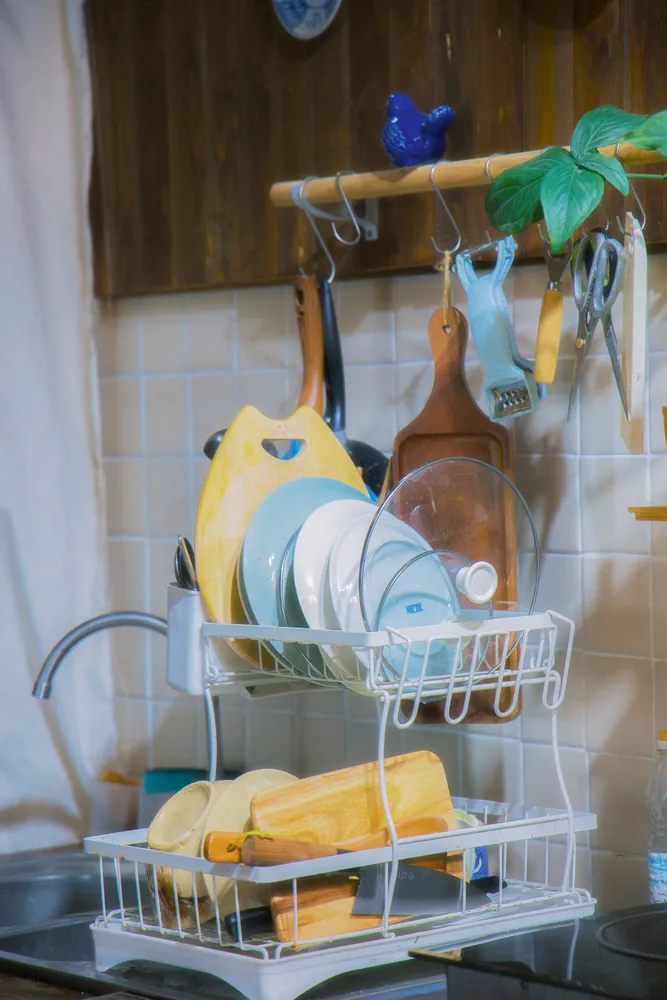
Lifestyle photography by Hoài Nam / Pexels. The photograph illustrates a home setting; it does not identify a reviewed product.
Picture a fresh grocery shop is pushed in front of yesterday’s dinner and no one notices it until the next cleanout. A useful setup starts with leftovers, lunch ingredients, condiments, and the foods that should be used next, rather than a shopping list built around somebody else’s room. This guide looks at the purchase through the daily task it needs to support.
For grouping packaged ingredients on one shelf, prioritize an easy-to-pull shape that brings the back of a shelf within reach. Before committing to labeled food container, check whether its advantage for keeping prepared meals clearly identified matters in your household. The choices here are planning recommendations based on the use case and published official shopping categories; we have not performed hands-on tests of a specific model.
In this guide
Start with the everyday problem
Begin by taking a practical inventory: remove old packaging and establish a clear use-next area before adding any organizer. Then group ready-to-use foods without blocking access to items that need separate safe storage and follow appliance guidance for airflow. The scope is leftovers, lunch ingredients, condiments, and the foods that should be used next, so exclude unrelated objects before calculating the capacity you need.
Visibility is the main reason to organize leftovers. A prepared meal hidden behind a new grocery bag cannot be included easily in tonight’s plan. Start with a clearly defined use-next area and date prepared food. Review what is already present before shopping. Suitable organization supports that routine, but it does not change food-safety requirements. Consult current USDA leftovers guidance and the appliance instructions rather than treating a tidy arrangement as proof that every item remains safe.
Measure the fit that matters
The important fit checks are shelf depth, drawer movement, container lid height, and the reach needed to lift a loaded bin. Compare the manufacturer’s exact dimensions with those measurements, including the movement needed to retrieve, open, carry, or clean the chosen item. For open refrigerator bin, access is as important as the space it occupies.
Measure the usable shelf with drawers and doors moving normally. A bin that fits when the refrigerator is empty may block a drawer once neighboring containers are present. Check whether it can be pulled out without tilting its contents. Do not tightly fill every gap; follow the refrigerator manufacturer’s guidance for airflow and placement. The best layout depends on the specific appliance, so a photographed arrangement in another refrigerator should not be copied without examining yours.
Choose a format around the task
The first format, open refrigerator bin, suits grouping packaged ingredients on one shelf; its tradeoff is that the bin is not a substitute for food packaging. The alternative, labeled food container, suits keeping prepared meals clearly identified, while several lid shapes can complicate stacking. Material priorities for this situation are smooth washable refrigerator organizers intended for that use, with food stored in suitable containers rather than relying on the bin alone.
An open organizer can bring packaged ingredients forward together, while a labeled food container keeps one prepared meal identifiable. These are separate roles. A refrigerator bin is not automatically suitable direct packaging for every food, and it does not replace any required separation or containment. Read the product’s intended use and cleaning guidance. Keep foods in suitable packaging, and consult relevant food-safety guidance for placement of raw ingredients and ready-to-eat items. Sorting by appearance alone misses those considerations.
Spend on the useful feature
Direct the budget toward an easy-to-pull shape that brings the back of a shelf within reach. Put a full matching bin set before checking the refrigerator layout lower on the list, because it is not the first obstacle in this scenario. The purchase to avoid is bins packed so tightly that contents remain invisible and temperature control becomes harder to manage. A small targeted improvement is easier to evaluate than changing the entire setup simultaneously.
Choose one easy-to-reach grouping before investing in a full matching set. A modest lunch-ingredient bin may help if several small packages disappear at the back of a shelf. Large tall bins can conceal their own contents or become awkward to lift. Consider loaded weight and grip in the actual refrigerator opening. If leftovers already sit in clear labeled containers, rearranging the shelf may provide the needed improvement without purchasing an additional layer of plastic around them.
Keep the system useful after the first week
Build upkeep into the routine: clean spills promptly, date prepared food, and review the use-next area when planning the next meal. When the arrangement gets crowded, return to its intended contents: leftovers, lunch ingredients, condiments, and the foods that should be used next. Confirm that everything still has a sensible home and that the next person can use open refrigerator bin without dismantling the rest of the space.
Look at the use-next area while planning a meal and remove foods according to appropriate safety guidance. Clean spills promptly and maintain the refrigerator as its manual directs. Do not continually move older food farther back to make the front row look tidy. Date labels should remain visible after restacking. If a bin becomes a crowded catchall, redefine the group or use fewer containers. The useful result is an easier decision about what to eat, supported by safe storage practices.
Compare your options
| Option | Best fit | Tradeoff |
|---|---|---|
| Open refrigerator bin | grouping packaged ingredients on one shelf | The bin is not a substitute for food packaging |
| Labeled food container | keeping prepared meals clearly identified | Several lid shapes can complicate stacking |
Where to browse
Use these retailer collections to compare dimensions, materials, care instructions and current prices. These are ordinary retailer links unless an active affiliate arrangement is disclosed. We do not control availability, shipping or returns.
Questions before you buy
Can an organizer make leftovers safe for longer?
No. Follow current food-safety guidance and your refrigerator instructions. Organization supports visibility and retrieval but does not change safe storage times or temperature requirements.
What is the main reason to choose open refrigerator bin here?
Its clearest use is grouping packaged ingredients on one shelf. The alternative can be useful for keeping prepared meals clearly identified, so weigh that specific routine against the tradeoff: several lid shapes can complicate stacking. Before ordering, check shelf depth, drawer movement, container lid height, and the reach needed to lift a loaded bin on the exact listing rather than relying on category photographs.
Sources & further reading
- OXO official kitchenware categories, consulted for available formats
- USDA Food Safety and Inspection Service: leftovers and food safety
Sources checked October 8, 2026. Practical suggestions reflect editorial judgment; always follow the instructions supplied with your own product.