Hand Pruners for a Small Garden: Choose the Cut Before the Brand
Compare bypass and anvil hand pruners, check hand fit and maintenance, and recognize when a branch needs a larger suitable tool.
Our guidance is based on published information and household scenarios, rather than hands-on product testing. Some links may earn a commission when an affiliate relationship applies. Read our disclosure.
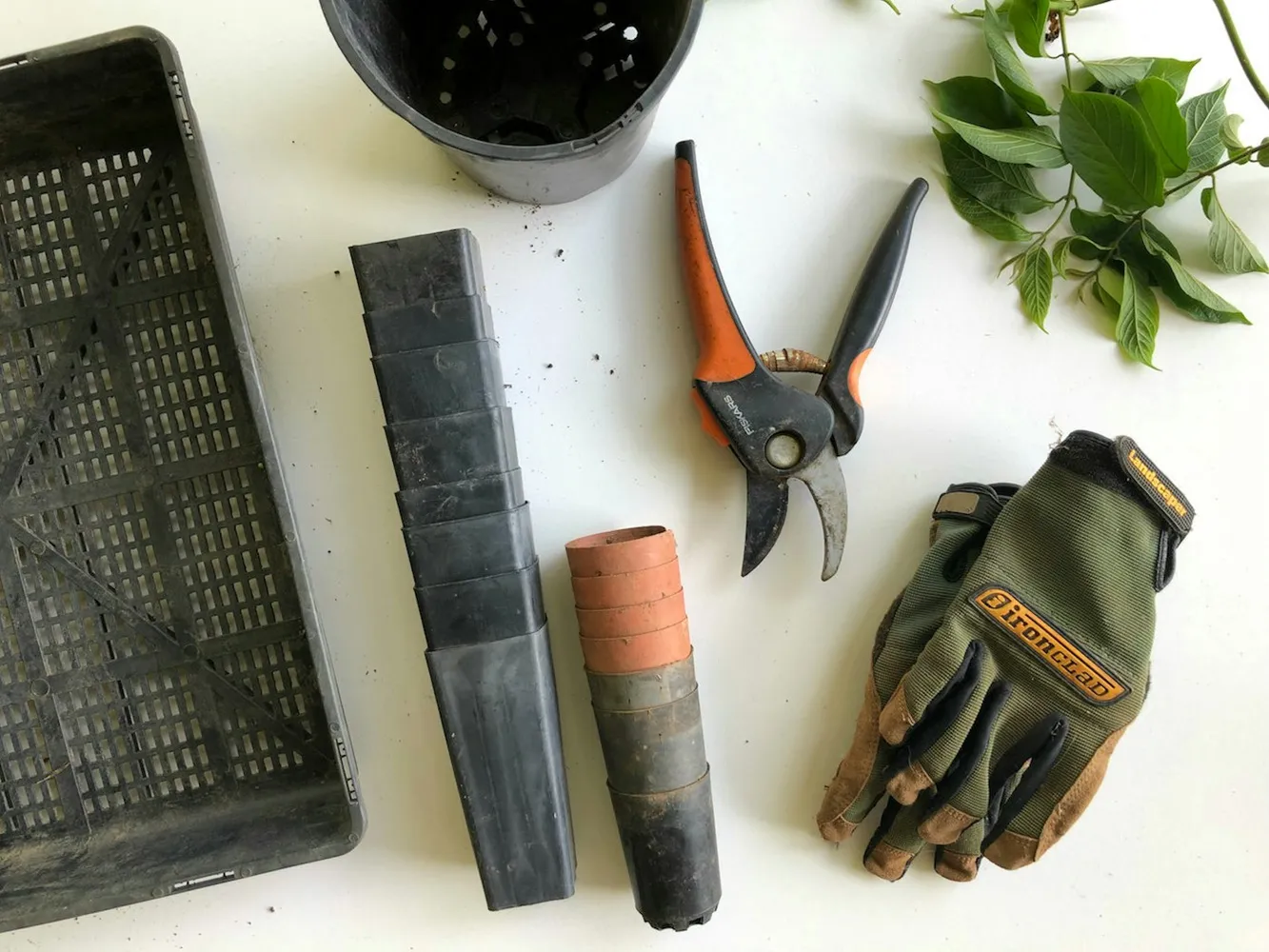
Lifestyle photography by Eco Warrior Princess / Unsplash. The photograph illustrates a home setting; it does not identify a reviewed product.
You head outside to tidy a rose, remove a small damaged shoot, and cut a few stems for the kitchen. In the shed are old scissors, an unfamiliar pair of shears, and a tempting reason to buy a new tool. Before selecting hand pruners, identify what you will cut. Living stems, dry dead material, and branches too large for a one-handed tool should not be treated as the same job.
This guide uses university extension advice and official manufacturer ranges to explain practical purchase decisions. We have not performed cutting tests or measured grip effort. Hand fit and suitable use matter more here than a ranking that claims one pair is ideal for every garden and every gardener.
In this guide
Understand bypass and anvil actions
Bypass pruners use a cutting blade that moves past the opposing part, while anvil pruners close a blade against an anvil surface. Maryland Extension favors bypass action for reducing tissue tearing or crushing, making it a sensible first comparison for routine live-stem work. Iowa State Extension describes anvil tools as useful for dead branches. These are task distinctions, not a claim that every bypass model is better made or that a particular brand can cut material beyond its stated capacity.
For a small mixed ornamental garden, a suitable bypass pair is often the more logical starting point because many common tasks involve living growth. Add an anvil tool only if the dead-material job genuinely warrants it. Do not buy both just to complete a set. Fine flower stems may call for a different precise cutting format, while woody branches may require a larger tool. Make a short inventory of the actual cuts before comparing catalogues full of specialized designs.
Fit the handles to the person using them
A pair can suit the branch and still be awkward in your hand. Consider the opening span, overall size, grip position, lock operation, and whether the model is intended for the hand you use. FELCO’s official North American range includes hand-size and dexterity distinctions, illustrating why a familiar model number should not become an automatic recommendation. If possible, assess fit in person following the retailer’s rules. A claim about ergonomic design cannot establish your personal comfort.
When ordering online, use the manufacturer’s size guidance and read the return conditions before assuming you can test used blades on outdoor plants. Gloves may change the way a handle feels, so consider the protection worn for your routine. Avoid selecting the largest possible cutting capacity if it produces a spread you cannot control comfortably. A smaller appropriate pruner plus a separate tool for occasional heavier work can be more practical than one oversized pair for everything.
Know when the job needs loppers or a saw
Check the exact pruner’s published cutting guidance and respect its limits. Branch diameter is only part of the decision: condition, access, and the operator’s ability to make a controlled cut matter too. Maryland Extension warns that forcing oversized branches can harm both the tool and the plant. Do not twist the handles, use two hands to overpower a one-handed tool, or interpret a maximum specification as an instruction to push every cut to that limit.
Loppers offer a different leverage format, and a suitable pruning saw handles other branch work. Iowa State’s equipment guide explains the tool distinctions, so consult it when the job grows beyond hand-pruner territory. High or awkward limbs introduce further access issues that a new small tool will not solve. For this purchase, stay focused on stems you can reach and cut properly from a stable working position. A larger garden project may need separate planning or professional help.
Compare maintenance and parts before paying more
An expensive pair is worthwhile only if its useful features fit your work and you will maintain it. Check whether the exact model offers replacement blades, springs, or other service components and whether they are available where you shop. FELCO describes replaceable-part options in its official range, but verify the chosen model rather than extending one product’s details across the brand. A premium finish or presentation box does not replace a practical route to maintaining the cutting parts.
Cleaning and sharpening need manufacturer-specific instructions. University of Minnesota Extension explains that blade types have different bevels and maintenance considerations. Do not assume a method demonstrated for one action suits another, and avoid unnecessary dismantling without the appropriate guidance. If plant disease is involved, seek the relevant sanitation advice rather than merely wiping visible sap away. Have a place to store the tool securely with its lock engaged as instructed and out of inappropriate access.
Buy for a short useful list of garden tasks
A strong buying brief might say: routine live-stem work on accessible shrubs, a grip suitable for the user, and clear maintenance support. That directs attention to an appropriate bypass model instead of whichever kit has the most pieces. A different brief centered on dead material may lead to a suitable anvil option. The official FELCO, Fiskars, and GARDENA destinations below provide formats to compare. Read the exact listing for intended use, size, and included components before deciding.
Budget for a suitable larger tool only when the larger job is real and recurring. Otherwise, begin with the one pair that serves most ordinary cuts. Keep it clean and sharp according to instructions, inspect it before use, and stop when a cut needs force beyond appropriate control. The practical value is a tool that comes out for the right work and returns ready for the next session, rather than a dramatic capacity claim that encourages tackling the wrong branch.
Compare your options
| Option | Best fit | Tradeoff |
|---|---|---|
| Bypass hand pruners | Routine appropriate live-stem cuts in a small ornamental garden | Must fit the hand and be maintained; they are not a substitute for a larger branch tool |
| Anvil hand pruners | Suitable dead-material work within the exact model’s guidance | The action is a different choice from the bypass format generally favored for living tissue |
| Loppers or a suitable pruning saw | Work beyond the appropriate hand-pruner task | Requires a separate purchase and a safe controlled working position |
Where to browse
Use these retailer collections to compare dimensions, materials, care instructions and current prices. These are ordinary retailer links unless an active affiliate arrangement is disclosed. We do not control availability, shipping or returns.
Questions before you buy
Should I choose pruners by maximum branch size alone?
No. Match the action, hand fit, access, plant material, and maintenance requirements as well. Never force a branch simply because a nominal diameter appears close to the tool’s specification.
Do I need both bypass and anvil pruners?
Only if your actual tasks justify both. A suitable bypass pair is often a useful starting point for ordinary live-stem work; assess dead-material tasks separately rather than buying a matching collection automatically.
Sources & further reading
- University of Maryland Extension: pruning actions and avoiding oversized cuts
- Iowa State University Extension: guide to pruning equipment
- University of Minnesota Extension: care and sharpening considerations
- FELCO official North American pruner range and fit categories
Sources checked October 20, 2026. Practical suggestions reflect editorial judgment; always follow the instructions supplied with your own product.