Choose a Compost Bin for a Small Shared Backyard
Compare compost bins and tumblers through daily scrap collection, dry-material storage, access, maintenance and local backyard requirements.
Our guidance is based on published information and household scenarios, rather than hands-on product testing. Some links may earn a commission when an affiliate relationship applies. Read our disclosure.

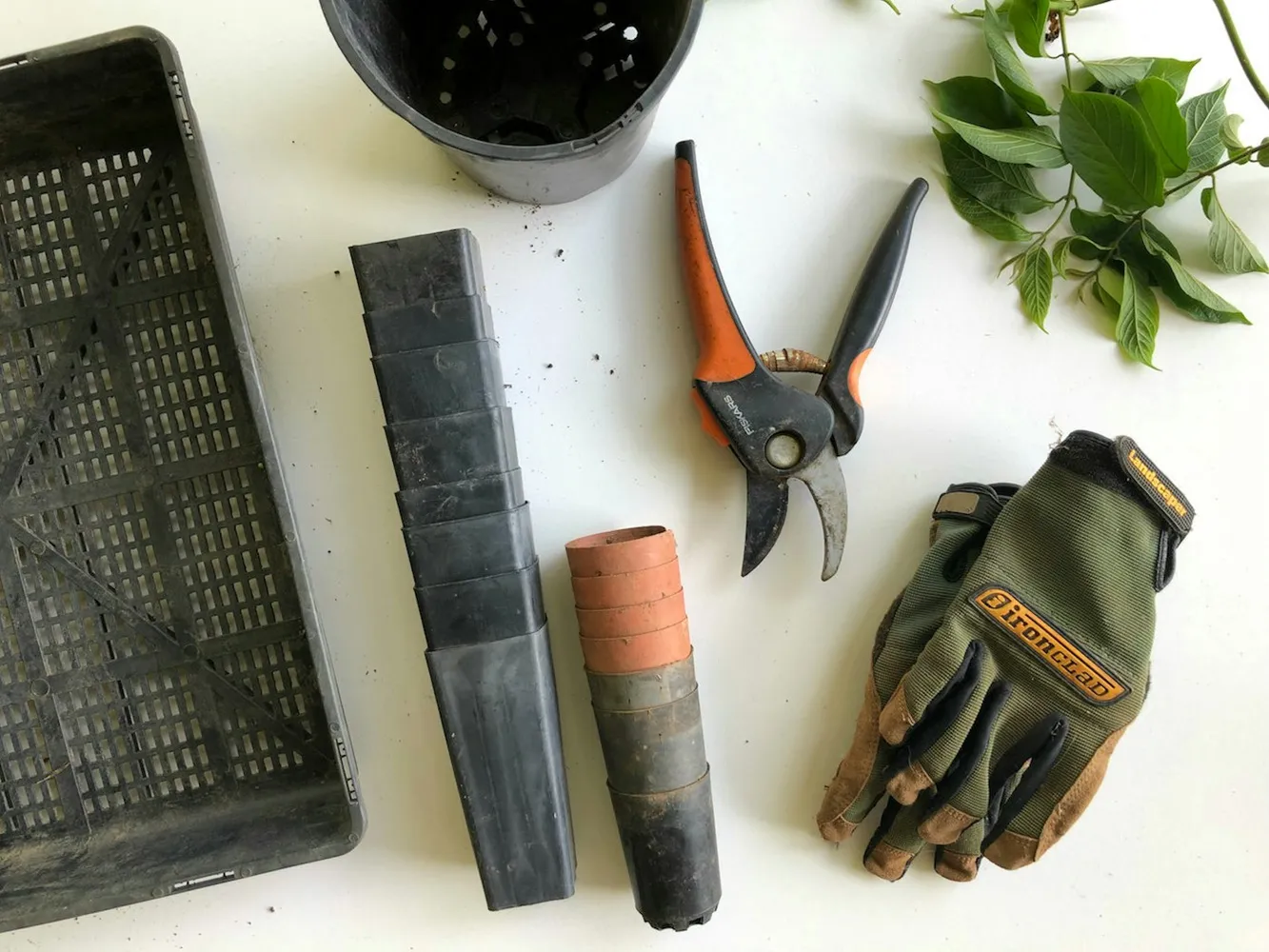
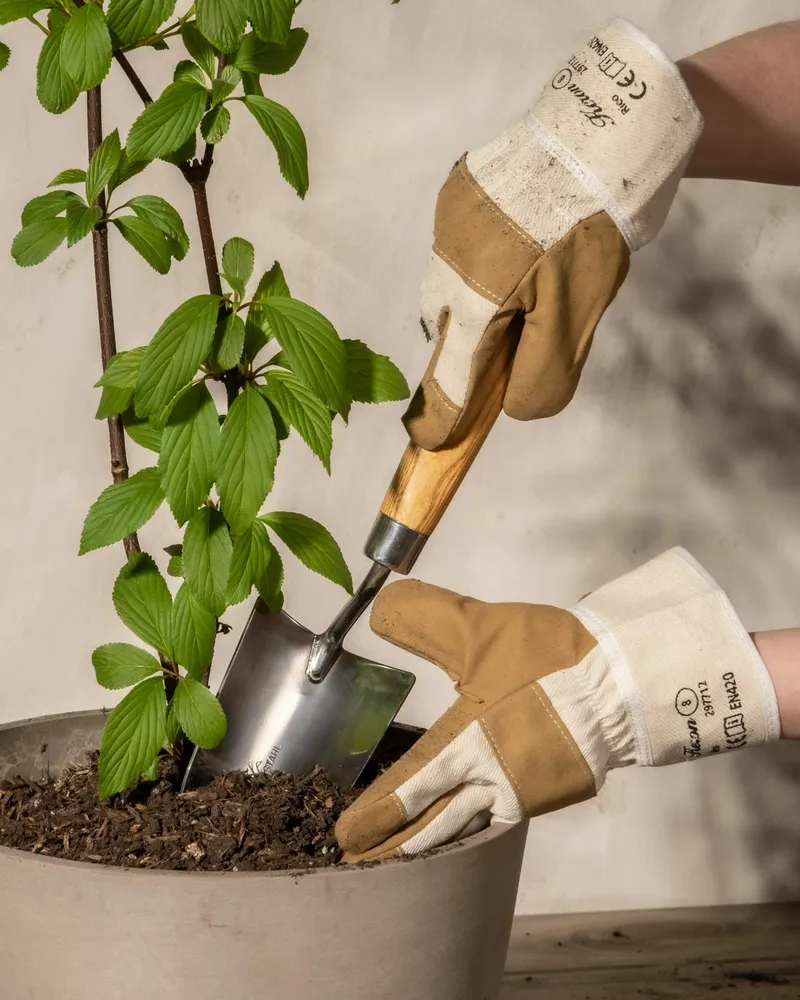
Lifestyle photography by Jasmin Börsig / Unsplash. The photograph illustrates a home setting; it does not identify a reviewed product.
The kitchen produces vegetable trimmings every evening, but the backyard has to accommodate a clothesline, a small planting bed and somewhere to sit. A compost bin needs more planning than a spare corner. Imagine carrying a covered kitchen pail outside on a wet night: can you reach the bin, open it easily and add suitable material without moving furniture? That routine is a useful starting point for choosing the system.
In this guide
Define what will actually go into the system
List the materials your household expects to compost: suitable kitchen scraps, leaves and garden trimmings may arrive in very different amounts. Check an authoritative home-composting guide and local requirements before selecting a bin. Backyard systems do not accept every item that a commercial collection service might process, so do not copy a curbside list without checking.
StopWaste, the public agency serving Alameda County, emphasizes suitable ingredients, air, moisture and pest-resistant arrangements for food scraps. Its guidance is a useful planning reference, while your own municipality can clarify local rules. If most of your material is kitchen scraps and you have little suitable dry material, solve that supply question before committing to a large bin.
Compare a stationary bin with a tumbler through the work
Read how each design is filled, mixed and emptied. A stationary bin may have a lid, removable panel or other access point; a tumbler may require space for rotation and a particular unloading arrangement. Check those details on the actual product. A compact outside dimension does not describe the full working space.
Consider whether you can handle the moving parts when the system is in use, not only when it is empty in a display. Ask the seller for documentation if operating or unloading instructions are unclear. Do not assume that a rotating design removes every maintenance task. Pick the process you are willing to follow rather than the product whose description sounds most automatic.
Reserve room for ingredients and access
Mark the bin location and leave working room around the openings. Think about where suitable dry material will be stored and how it will stay available when needed. If adding scraps requires a separate trip to a distant leaf pile, the process can become inconvenient. A simple nearby dry-material container may be useful, but first check existing storage.
Keep the setup compatible with ordinary backyard use. Avoid blocking a gate, maintenance access or the route to shared household facilities. Consider the path in rainy conditions as well as on a pleasant weekend. Check the product's base and placement instructions and any local rules instead of assuming that every bin can be set on any surface.
Plan the kitchen-to-bin handoff
A kitchen pail can collect appropriate scraps for the trip outside; it is not the same thing as the composting system. Choose a container with a size and cleaning routine that suit your household. The easiest arrangement may be a suitable covered container you already own. A decorative new pail is optional if the existing one works.
Decide who empties the pail and how it will be cleaned afterward. Keep a clear household list of accepted materials near the collection point if confusion is likely. Avoid buying a large supply of liners until the compost system's guidance confirms whether those particular liners belong in it. A label describing an item as compostable does not establish suitability for every backyard process.
Budget for maintenance rather than promises of speed
Compare assembly, access, replacement components and any necessary accessories with the bin price. Use authoritative instructions to learn the process and troubleshoot it. If material smells wrong, attracts pests or is difficult to manage, consult that guidance rather than adding a mystery treatment merely because it is sold beside the bins.
Do not choose a system based on an unverified promise about when finished compost will appear. Conditions and management matter, and the household needs a plan while material is still processing. Consider how you will keep fresh additions separate from material ready for use according to your chosen method. The required arrangement should be clear before the first kitchen pail is emptied.
Make the first season manageable
Begin with a documented system you can maintain and inspect. Keep the operating guide accessible and check the lid, openings and base as directed. If a municipal collection option already serves the household well, a backyard bin should have a clear additional purpose. Buying one does not obligate you to process every type of organic material at home.
Once the routine works, decide whether an accessory solves a demonstrated difficulty: a more manageable collection pail, an appropriate mixing tool or better dry-material storage. Avoid purchasing a whole composting kit before you understand what the bin includes. A useful small-yard system fits daily life, leaves room for the rest of the backyard and has a process the household can explain without guessing.
Compare your options
| Option | Best fit | Tradeoff |
|---|---|---|
| Stationary compost bin | A designated processing area with workable access | Mixing and removal need a clear plan |
| Compost tumbler | Households comfortable with its documented rotating process | Operating clearance and unloading matter |
| Kitchen collection pail | Carrying suitable scraps to a separate system | Collects material but does not itself finish compost |
Where to browse
Use these retailer collections to compare dimensions, materials, care instructions and current prices. These are ordinary retailer links unless an active affiliate arrangement is disclosed. We do not control availability, shipping or returns.
Questions before you buy
Does a kitchen compost pail make finished compost?
A collection pail generally holds scraps before transfer to a composting system or collection service. Check the product's actual purpose rather than its decorative name.
Can everything accepted by my green cart go in the backyard bin?
No. Commercial and home systems can have different accepted materials. Follow your local home-composting guidance and the instructions for the system you use.
Sources & further reading
Sources checked October 20, 2026. Practical suggestions reflect editorial judgment; always follow the instructions supplied with your own product.