Gardening Gloves and a Kneeling Pad for Weekend Jobs
Choose gloves and a garden kneeling pad by the actual task, fit, care, ground conditions and storage instead of buying an oversized accessory kit.
Our guidance is based on published information and household scenarios, rather than hands-on product testing. Some links may earn a commission when an affiliate relationship applies. Read our disclosure.
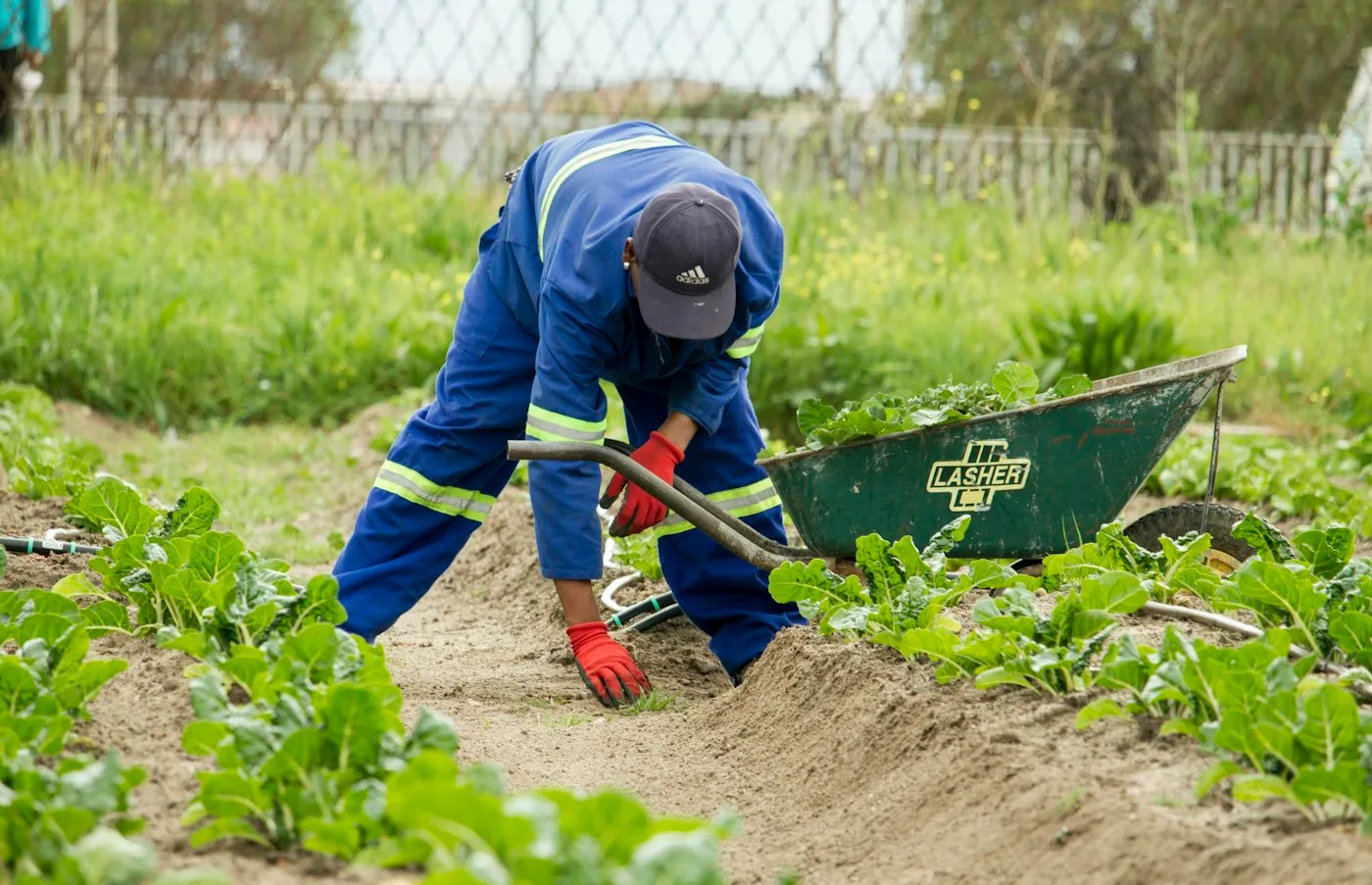
Lifestyle photography by Nel Ranoko / Unsplash. The photograph illustrates a home setting; it does not identify a reviewed product.
A Saturday garden session might move from repotting herbs to pulling weeds beside the path and finally clearing a rough corner near the fence. One pair of gloves may not suit every part of that plan, and a kneeling pad needs a usable place on the ground. Start by describing the jobs and surfaces involved. The right small accessories make sense when their fit, protection claims and care requirements match the task.
In this guide
- Separate soil handling from tougher clearing tasks
- Check fit with the movements you need
- Treat care and drying as part of the purchase
- Choose the pad around the actual garden surface
- Compare a simple pad with a framed kneeler carefully
- Build a small task-based accessory set
- Compare your options
- Where to browse
Separate soil handling from tougher clearing tasks
List the tasks you do most often rather than shopping for a glove described as suitable for everything. Handling small plants calls for a different balance of feel and coverage from working around rough stems. Read the specific product description and any protection limitations. A general gardening label does not establish resistance to every thorn, chemical or sharp edge.
The Royal Horticultural Society includes suitable clothing and protective gloves in its safe-gardening guidance. Use appropriate task-specific instructions as the starting point, particularly when products or tools specify protective equipment. Ordinary garden gloves are not a substitute for equipment required by a chemical label or a power-tool manual. Choose those items according to the relevant instructions rather than mixing categories.
Check fit with the movements you need
Use the seller's sizing directions and compare the required hand measurements before ordering. If you can try a pair appropriately, check whether you can close your hand, grip the intended handle and work without excess material bunching at the fingertips. A fit that seems comfortable while the hand is still can feel different during an actual gripping movement.
Think about cuffs as part of the task. A longer cuff may offer more coverage for some work, while a shorter style may feel easier for a simple potting task. Neither choice guarantees protection from every hazard. Check how the glove should be put on and removed, and avoid selecting a larger size merely because it seems more substantial in a product photograph.
Treat care and drying as part of the purchase
Read the care instructions for the exact glove materials. Do not assume that leather, coated fabric and knitted gloves can all be washed or dried in the same way. A pair that is straightforward to maintain may suit frequent household use better than one requiring a routine you will postpone. Check replacement availability only after establishing a suitable fit.
Give used gloves an appropriate place to dry and be inspected before their next use, following the manufacturer's directions. A damp pair pushed into the bottom of a tool bag is easy to forget. Keep pairs together without compressing them into a dirty pocket. If a glove is damaged, reassess whether it remains suitable for the intended task rather than relying on its original appearance.
Choose the pad around the actual garden surface
Consider where kneeling normally happens: level paving beside pots, a garden path or another suitable stable surface. Read the pad's dimensions, material and cleaning guidance. A wide pad may provide the area you prefer but take more storage room; a compact one is easier to carry but gives less room to reposition. Choose from those practical tradeoffs rather than a universal thickness claim.
Inspect the ground before putting the pad down. A cushion does not make a sharp, unstable or otherwise unsuitable location appropriate for kneeling. Do not present a pad as treatment for an injury or promise that it prevents pain. If kneeling is not comfortable for you, choose an appropriate alternative way to do the task and seek individualized advice when necessary.
Compare a simple pad with a framed kneeler carefully
A simple pad and a framed kneeler have different handling and storage arrangements. For a framed product, check the manufacturer's intended use, load limits, folding instructions and required ground conditions. Do not assume every handle is designed to support a particular movement or that every product converts safely between sitting and kneeling.
Measure the stored dimensions before choosing a frame. A household with a narrow garage shelf may find a simple pad easier to put away, while another gardener may prefer a documented framed arrangement. Inspect any locking mechanism as instructed and keep the product in suitable condition. Buy the configuration you understand rather than adding features simply because the package offers several possible uses.
Build a small task-based accessory set
For regular potting and weeding, begin with gloves suited to those tasks and a pad only if it fits the way you work. Add a different pair of gloves when a distinct job requires different documented coverage. A large multipack can leave several unsuitable pairs in storage, so confirm the first pair's fit and care before ordering duplicates.
Compare the complete delivered cost and return conditions, including any restrictions that apply after use. Keep the useful accessories near their appropriate clean storage place and take only what the planned job requires. After a weekend session, review the specific inconvenience: poor fingertip fit, awkward pad size or difficult drying. Let that observation guide the next purchase instead of buying a coordinated kit that adds more objects than the garden routine needs.
Compare your options
| Option | Best fit | Tradeoff |
|---|---|---|
| Task-appropriate close-fitting gloves | Everyday jobs needing suitable feel and grip | Protection must match the documented task |
| Simple garden kneeling pad | A compact accessory on an appropriate stable surface | Ground assessment and storage still matter |
| Framed garden kneeler | Gardeners who prefer its intended documented arrangement | More storage and mechanism instructions to consider |
Where to browse
Use these retailer collections to compare dimensions, materials, care instructions and current prices. These are ordinary retailer links unless an active affiliate arrangement is disclosed. We do not control availability, shipping or returns.
Questions before you buy
Can ordinary garden gloves be used for every garden product?
No. Follow the product label or tool manual for required protective equipment. A general garden glove description does not establish chemical or specialized protection.
Is the thickest kneeling pad automatically best?
Choose the usable area, material, care and stored size you prefer. Thickness alone does not establish suitability, and the underlying location still needs to be appropriate.
Sources & further reading
Sources checked October 20, 2026. Practical suggestions reflect editorial judgment; always follow the instructions supplied with your own product.