Before Buying a Raised Bed, Plan the Backyard Around It
Choose a raised garden bed through reach, paths, watering access, materials and fill costs, with a practical small-backyard planning sequence.
Our guidance is based on published information and household scenarios, rather than hands-on product testing. Some links may earn a commission when an affiliate relationship applies. Read our disclosure.
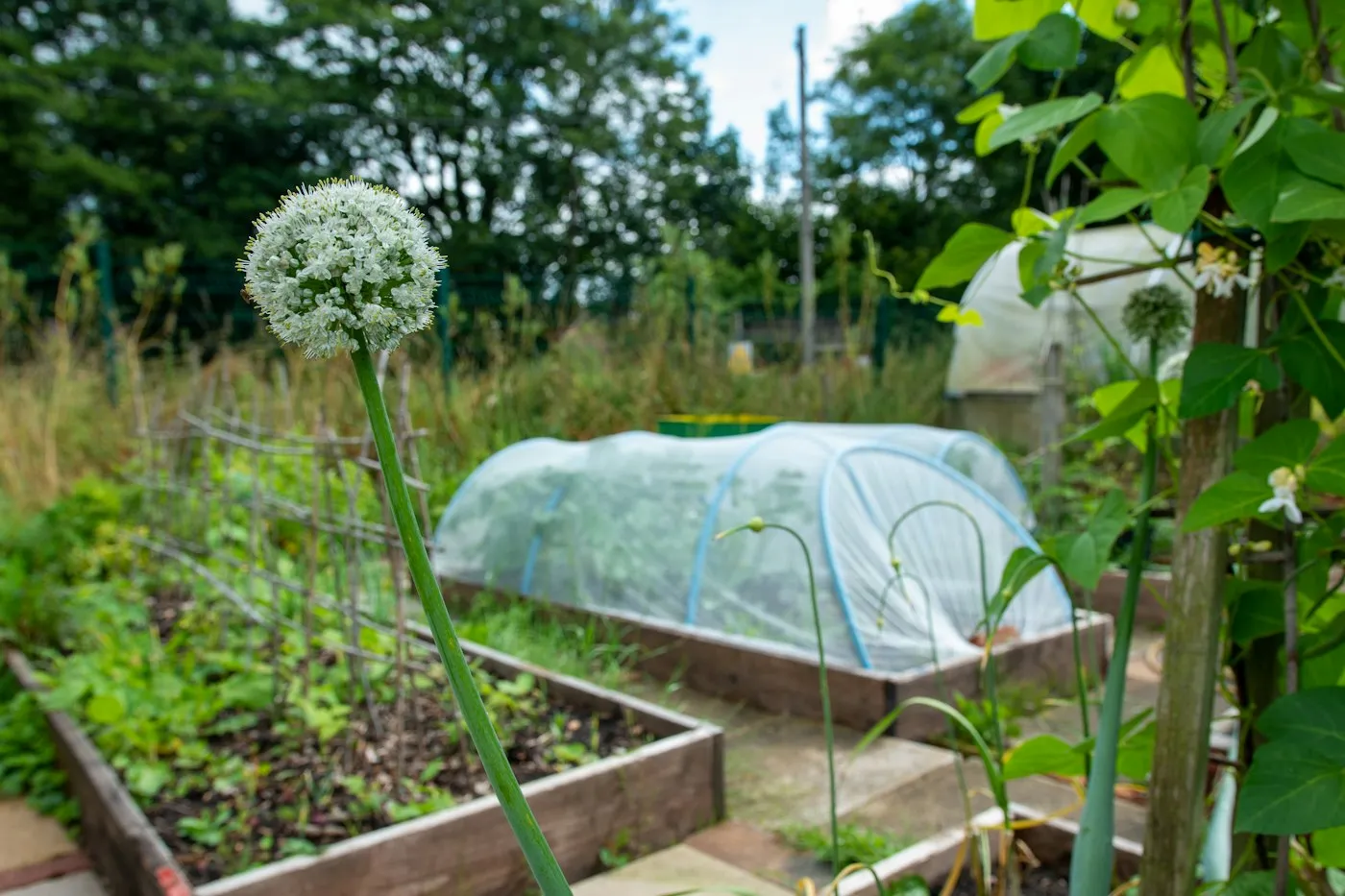
Lifestyle photography by Matt Baker / Unsplash. The photograph illustrates a home setting; it does not identify a reviewed product.
A raised bed can look compact in a product photo and surprisingly permanent beside the back door. Picture a narrow suburban yard shared by a vegetable patch, a lawn mower and the route to the garage. The frame is only one part of the purchase. Working space, water access and the effort of filling it determine whether the bed becomes a convenient garden or an obstacle that everyone works around.
In this guide
- Choose the growing location before the frame
- Map reach and paths with household movement
- Distinguish a ground-level raised bed from an elevated planter
- Compare documented materials and construction
- Calculate the fill and delivery together
- Finish one bed before multiplying the layout
- Compare your options
- Where to browse
Choose the growing location before the frame
Observe the proposed area through the day and compare its conditions with the crops you intend to grow. Notice nearby trees, fences and buildings that affect the site. A convenient patch of unused ground is not automatically suitable for vegetables. Ask your local extension service about crop and site questions that are specific to your region.
Walk the route from the water source to the proposed bed. Check where a hose would run and whether gardening will block access to the garage or gate. If the easiest place to assemble the frame is difficult to water or maintain, resolve that mismatch before purchasing. The empty frame is much easier to relocate than a planted and filled structure.
Map reach and paths with household movement
Mark the planned bed outline and the paths around it without damaging the lawn or paving. Stand or kneel where you expect to work and consider whether you can tend the central area without entering the planting space. Use your own comfortable reach and the actual layout rather than buying the widest frame that fits the yard.
Allow for the mower, a wheelbarrow if used and people passing while someone gardens. A path that looks adequate when empty may be awkward beside full plant growth. Include turning and opening a gate in the trial. If a bed sits against a wall, the working arrangement differs from one accessible from both sides; the product dimensions alone do not resolve that difference.
Distinguish a ground-level raised bed from an elevated planter
A frame on the ground and a planter supported on legs are different systems. The elevated option must hold its filled load according to the manufacturer's instructions and has its own drainage arrangement. A ground-level bed interacts with the site beneath it. Check the intended installation rather than treating both products as interchangeable versions of the same object.
An elevated planter may suit a household that wants gardening at a different working height, but consider how it will be filled, watered and emptied when necessary. A larger ground-level bed may offer a different planting layout while requiring more ground space. Choose for the work you expect to do and the setting available, without assuming one configuration is universally more convenient.
Compare documented materials and construction
Read the product's material information, assembly requirements and maintenance directions. University of Maryland Extension describes several raised-bed materials and notes that enclosures require eventual upkeep or replacement. Check the specific wood, metal or other construction rather than relying on an appearance such as rustic or industrial to imply a particular service life.
For edible crops, use reputable guidance about suitable materials and ask questions about anything with an unknown history. Reclaimed boards are not automatically a bargain if their previous use is unclear. Do not add a liner simply because another gardener used one; the bed's construction and site need an appropriate drainage arrangement, and an unsuitable liner can introduce another problem.
Calculate the fill and delivery together
Use the internal planting dimensions and appropriate soil guidance to estimate the required fill. Compare bagged and bulk delivery options only after checking the blend, supplier information and access to the yard. A pallet delivered at the driveway still leaves the task of moving material to the bed. Include that work when comparing a deeper or larger model.
Maryland Extension identifies quicker drying and added installation costs among raised-bed tradeoffs. Keep those practical commitments in the budget alongside the frame. A complete comparison may include soil, delivery, watering equipment and appropriate path materials. Avoid buying an oversized frame because its price seems attractive while leaving the larger filling and maintenance commitment unexamined.
Finish one bed before multiplying the layout
Read assembly instructions before ordering and check whether help or additional tools are required. Verify the shipment and components before preparing the whole yard. Once the bed is assembled in its planned location, assess paths and access again. Keep the surrounding space flexible until you know how the setup works during ordinary garden tasks.
Start with the planting area you can realistically tend, rather than purchasing several frames to match a photograph. Record what was inconvenient during watering, weeding and harvesting, then use those observations to plan an expansion. Another bed is a sound purchase when the household has both a growing purpose and a workable place for it. Empty space beside the first bed is not itself a reason to fill it.
Compare your options
| Option | Best fit | Tradeoff |
|---|---|---|
| Ground-level framed bed | A defined planting area on a suitable site | Paths and underlying conditions need planning |
| Elevated planter | Gardening at a different working height | Filled load, drainage and access need checking |
| Smaller initial bed | Learning the household's maintenance capacity | Offers less planting space |
Where to browse
Use these retailer collections to compare dimensions, materials, care instructions and current prices. These are ordinary retailer links unless an active affiliate arrangement is disclosed. We do not control availability, shipping or returns.
Questions before you buy
Should I buy the deepest raised bed available?
Choose depth for the intended crops and site. More depth means more fill and a different installation commitment, so it is not automatically a useful upgrade.
Can the bed sit directly beside the fence?
Plan for the access your chosen design requires, along with fence maintenance and local requirements. A location that prevents useful reach may call for a different size or position.
Sources & further reading
Sources checked October 20, 2026. Practical suggestions reflect editorial judgment; always follow the instructions supplied with your own product.