Choose a Watering Can for Patio Pots Without Buying More Weight Than You Want to Carry
Find a watering can that fits your container plants, filling point, carrying route, and preferred flow, with practical tradeoffs before you buy.
Our guidance is based on published information and household scenarios, rather than hands-on product testing. Some links may earn a commission when an affiliate relationship applies. Read our disclosure.
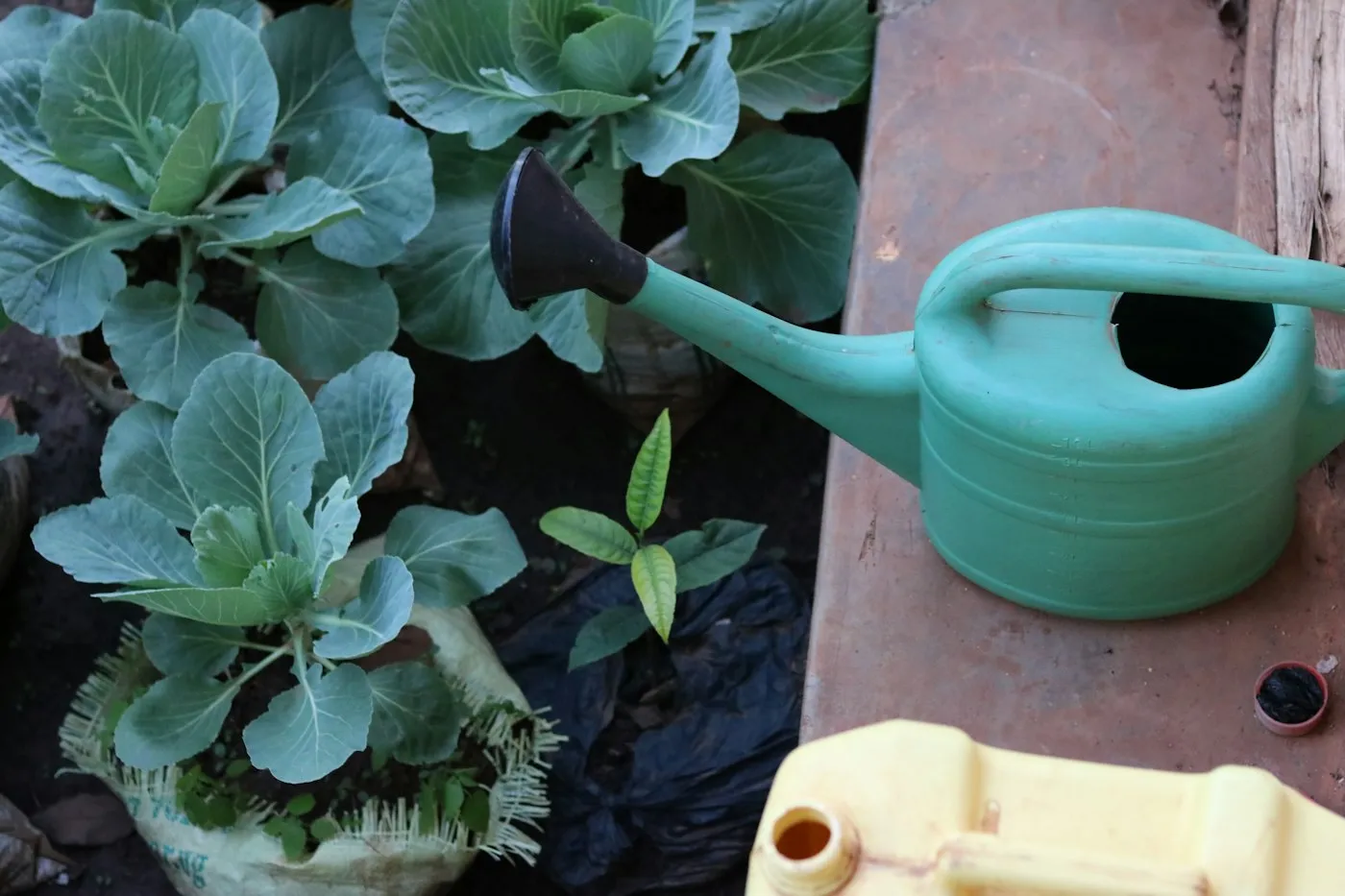
Lifestyle photography by Emilie / Unsplash. The photograph illustrates a home setting; it does not identify a reviewed product.
A row of herbs, a flowering pot, and a tomato container do not need the same amount of water simply because they share a patio. They also do not automatically justify the biggest watering can available. The useful can is the one you can fill, carry, aim, and empty comfortably at the pace your plants require. Buying for the number printed on the side can overlook the most awkward part: transporting it from the tap.
Our buying advice draws on official watering-can descriptions and university extension guidance for container care. We have not tested individual cans or compared their flow rates. The focus is choosing a practical format and using it within a plant-aware watering routine rather than treating equipment as a substitute for checking the pots.
In this guide
Start at the filling point
Measure the gap beneath the faucet and the route from there to the patio. A tall can with a generous opening may still be difficult to position under a low tap. Include the handle and projecting spout when checking its dimensions. If filling happens inside, consider whether carrying the can through a doorway or across a slippery threshold is sensible. These details can make a smaller container more convenient even when it means an additional refill.
There is no obligation to fill a large can to its limit, but buying excess capacity still adds a larger object to carry and store. Compare an ordinary filled load you expect to use, rather than judging comfort from the empty can alone. If possible, assess the grip and balance in person within the retailer’s rules. Online, read the measurements and return policy carefully instead of assuming that an attractive handle will suit your hand or movement.
Decide whether you need a stream, a rose, or both
A direct spout helps place water beneath foliage and into a particular container opening. A rose or water-breaker attachment spreads the delivery more gently. Maryland Extension explains that these attachments can avoid the forceful flow that knocks tender plants or washes growing medium out of a container. That makes the outlet a practical choice around seedlings, rather than a purely decorative detail. Still check the suitability of the exact attachment and control the pour instead of assuming any rose produces the same pattern.
Bloem’s Deluxe can provides a verified example of a removable nozzle for switching between a shower and direct flow. Haws also describes cans and rose arrangements with different delivery purposes. Look at the plants you actually own before buying a complete accessory set. A few established pots with accessible soil may not need multiple spray heads. If attachments are removable, give them a defined storage place so the part required for a tender seedling tray is not missing at the moment you need it.
Match the spout to the container layout
A long spout may reach past leaves to the potting mix, but its projection also affects where the can fits beside a chair or inside a cupboard. Narrow openings between crowded containers can reward a controlled spout more than a large reservoir. Check whether you can aim with both hands in a natural position, particularly near low pots. Hanging containers may require a different safe watering arrangement; do not build a routine around lifting a heavy full can above a comfortable reach.
Think about the surface beneath the plants as well. Drips and runoff matter on a balcony or shared walkway. Suitable saucers can help manage runoff where appropriate, but they are not a reason to leave roots sitting in collected water. University of Minnesota Extension cautions against prolonged waterlogged conditions in container trays. Choose equipment that lets you observe the container while watering, rather than trying to pour quickly from too far away and infer what happened afterward.
Choose materials and capacity for your own routine
Plastic and metal cans both appear in current manufacturer ranges, but appearance does not establish a universal durability ranking. Read the exact product’s outdoor-use and care guidance. Consider how the empty weight combines with your normal water load and whether storage exposes the can to conditions the manufacturer advises avoiding. A decorative indoor vessel should not automatically be treated as the best outdoor work can. Equally, a practical inexpensive can need not be replaced just because its finish does not match the patio furniture.
Prioritize the grip, filling access, usable spout, and manageable load before color or extra attachments. Bloem’s official listings offer several formats, so compare the chosen model rather than assuming all cans share its Deluxe design. Haws is another manufacturer destination, with market-specific shipping and pricing to verify before ordering. Use the three links below as comparison starting points. Confirm current dimensions and included accessories, and avoid paying for a specialist rose collection when an ordinary supplied outlet already serves your plants.
Water according to the pots, then put the can away
Check the growing medium before watering rather than distributing one equal splash to every pot. Maryland Extension advises monitoring moisture beneath the surface and thoroughly re-moistening suitable containers with excess water able to drain. The required amount varies with the plant and container. This is not a schedule promising that every patio needs water at the same interval. Grouping your route by which pots need attention can reduce unnecessary pouring and make a smaller comfortable can entirely workable.
Follow the can’s cleaning and storage instructions, and keep any fertilizer mixing consistent with the product label and the can’s intended use. Do not convert an unlabeled general container into a chemical-mixing tool without considering compatibility and identification. Empty or store the can as directed rather than leaving it where it blocks the path. After a week of ordinary use, assess whether refilling is genuinely inconvenient or simply a reasonable trade for a load that feels easier to carry.
Compare your options
| Option | Best fit | Tradeoff |
|---|---|---|
| Smaller direct-spout can | A few closely arranged pots and a manageable carrying load | May require more frequent refills |
| Can with a removable rose or nozzle | A mix of established containers and tender plants needing gentler delivery | Attachment fit, cleaning, and storage add small ongoing tasks |
| Larger-capacity outdoor can | A short uncomplicated carrying route serving several substantial pots | The useful filled load may be heavier than you want to carry |
Where to browse
Use these retailer collections to compare dimensions, materials, care instructions and current prices. These are ordinary retailer links unless an active affiliate arrangement is disclosed. We do not control availability, shipping or returns.
Questions before you buy
Is the largest can the most efficient choice?
Only if its filling access, balance, and ordinary loaded weight suit your routine. A smaller can used comfortably can be more practical than a large one that stays half full or is awkward to aim.
Should every pot receive the same amount of water?
No. Check the growing medium and consider the plant, container, and weather. A watering can provides delivery; it does not determine the individual container’s moisture needs.
Sources & further reading
- University of Maryland Extension: container watering and water-breaker attachments
- University of Minnesota Extension: watering container plants and avoiding soggy trays
- Bloem official Deluxe watering can design and removable nozzle
- Haws official watering can and spout formats
Sources checked October 20, 2026. Practical suggestions reflect editorial judgment; always follow the instructions supplied with your own product.